automation template sites backlink sources
If you sell or market an automation tool, a template library, or anything people use to get work done faster, there is a link-building opportunity hiding in plain sight. Hundreds of websites exist purely to curate, review, and share automation templates — and many of them link out to the tools, makers, and resources featured on their pages. Understanding how automation template sites backlink sources work can hand you a steady stream of relevant, editorial-style links in a niche where relevance is gold.

What Automation Template Sites Backlink Sources Really Means
The phrase sounds technical, but the idea is simple. Automation template sites are websites that collect and organize ready-made templates: Zapier and Make workflow templates, Notion page templates, n8n automation blueprints, Excel and Google Sheets templates, email sequences, and even “awesome” curated lists on GitHub. A backlink source, in this context, is any of these sites that accepts outside submissions and credits the contributor with a link back to their website.
Most people treat link building as guest posting and nothing else. They never notice that template galleries and workflow hubs run on user submissions — which means editors are actively looking for things to feature. When your template, integration, or automation guide gets accepted, the listing page typically links to your homepage, your documentation, or your author’s profile. Those links are contextual, topically relevant, and surrounded by content about the exact thing you do.
There is one important distinction to make early. These sources reward you when a human editor reviews and approves your submission. Tools that blast automated form submissions across hundreds of sites at scale fall under what Google calls link schemes — and that path can earn you a penalty instead of rankings. Everything in this guide keeps you on the side of the line where links are earned.
Why Template and Automation Resource Sites Are Worth Chasing
Not every backlink source deserves your time. Here is why this category punches above its weight for the right businesses.
First, relevance comes built in. A link from a workflow-automation directory to an automation SaaS product tells search engines exactly what your site is about. Topical relevance is one of the strongest signals in how links are evaluated, and it is hard to beat a referring page whose entire topic is automation.
Second, these sites attract your actual users. People browse template galleries because they want to automate something. A backlink there does double duty: it passes ranking signals and sends visitors who already have buying intent.
Third, the barrier to entry is contribution, not cash. Many of these platforms accept free submissions. You invest time — building a genuinely useful template or writing a clear how-to — instead of paying for placement. That makes the resulting link editorial in nature, which is exactly the kind search engines reward.
Fourth, template pages have long shelf lives. A good template listing can sit in a gallery for years, collecting traffic and passing value the whole time. Compare that to a blog mention that slides off the homepage within a week.
Related: what backlinks are and how they work
7 Types of Automation Template Sites That Link Out
Not all template sites operate the same way. Here are the seven categories worth prospecting, with what each one typically offers.
- Workflow automation marketplaces — Platforms built around tools like Zapier, Make, and n8n run template galleries where makers publish ready-made workflows. Accepted templates get a public page with author attribution and a link back to the maker’s site or profile. These pages often rank well themselves, which multiplies the value.
- Notion and productivity template sites — The Notion template ecosystem is enormous. Independent galleries, marketplaces, and review blogs curate the best templates, and most link to the creator’s website. If your product integrates with Notion or your team publishes productivity resources, this category is fertile ground.
- GitHub awesome-lists — Curated “awesome” lists are some of the most linked-to pages on GitHub. Maintainers accept pull requests or issues suggesting new resources. Getting your tool or template collection added to a relevant awesome-list can earn you a link from a page with serious authority and a long history.
- Software and SaaS directories — Directories that list tools by category — automation, productivity, marketing — accept submissions with a company profile, description, and website link. The best ones are moderated and niche-focused; the worst are unmoderated link dumps. Choose carefully.
- Template blogs and roundup posts — Bloggers regularly publish roundups like “25 Free Automation Templates for Small Business.” These writers need fresh examples and quotes. A polite, specific pitch offering your template plus a short expert comment can land you an editorial link inside the article body — the most valuable placement of all.
- Community and forum resource threads — Communities around automation tools maintain pinned resource threads and wikis. Contributing a genuinely helpful template with documentation earns you a link plus credibility with the exact audience you want to reach.
- Documentation and integration partner pages — If your product integrates with another platform, that platform’s integration directory or partner page is a natural backlink source. These pages exist to help users discover compatible tools, and they almost always link out.
Comparing the Source Types
The table below compares the seven source types on the factors that matter most when you decide where to invest your effort.
| Table 1: Comparing automation template sites backlink sources by effort, link quality, and fit | |||
|---|---|---|---|
| Source type | Typical effort | Link quality | Best for |
| Workflow automation marketplaces | Medium — build a working template | High — contextual, relevant | Automation SaaS products |
| Notion and productivity template sites | Low–Medium — design a template | Medium–High | Productivity tools, creators |
| GitHub awesome-lists | Low — write a good PR description | High — strong domain trust | Developers, open tools |
| SaaS directories | Low — fill in a profile | Medium — varies by directory | Any software business |
| Template roundup blogs | Medium — pitch + expert quote | High — in-content editorial | Anyone with a good story |
| Community resource threads | Low — contribute helpfully | Medium — often nofollow | Brand visibility, traffic |
| Integration partner pages | Medium — build the integration | High — trusted brand association | Products with an API |

How to Find and Qualify These Backlink Sources
Finding the sources is a research task, and qualifying them is what separates links that help from links that waste your time. Work through the following checks before you submit anything.
- Search with operator queries. Use searches like `automation templates directory`, `submit workflow template`, `”add your template” automation`, and `intitle:awesome automation` to surface galleries, lists, and submission pages.
- Mine competitor backlinks. Run the domains of competitors or adjacent tools through a backlink checker and filter for referring pages with words like “template,” “directory,” “resources,” or “integrations” in the URL. If a competitor is listed somewhere, you can usually get listed too.
- Check the site’s real traffic. A directory with no visitors passes little value and may exist only to sell links. Look for evidence of real users: recent additions, comments, social shares, or search visibility.
- Verify the link attributes. Inspect a few existing listings to see whether outbound links are followed or carry `rel=”nofollow”` or `rel=”sponsored”`. Nofollow links still have value for traffic and discovery, but you should know what you are getting.
- Read the submission guidelines. Legitimate sites publish clear criteria: what they accept, how review works, how long it takes. Vague or missing guidelines are a warning sign.
- Assess editorial standards. If a gallery lists obvious spam, broken pages, or hundreds of unrelated sites, its links carry little weight and associating with it can look bad. Quality of neighbors matters.
- Confirm topical fit. The closer the site’s topic to yours, the stronger the relevance signal. An automation template hub linking to your automation tool is ideal; a generic free-for-all directory is not.
Related: contextual backlinks
A Safe Submission Workflow That Scales Without Spam
Here is a workflow that keeps your outreach efficient while staying firmly on the right side of search engine guidelines.
Step 1 — Build the asset first. Create the actual template, workflow, or resource before you pitch anything. A working Zapier template, a polished Notion page, or a documented n8n blueprint is your ticket in. Sites feature contributions, not promises.
Step 2 — Qualify ten targets per week. Use the checks above to build a shortlist. Ten well-chosen targets beat a hundred spray-and-pray submissions every time, and they keep your effort sustainable.
Step 3 — Personalize every submission. Reference the site by name, mention a specific template or section you liked, and explain in two sentences why your contribution fits their audience. Submission forms with a personal note get approved far more often than generic ones.
Step 4 — Follow the site’s process exactly. Some sites want a pull request, others a form, others an email. Using the requested channel signals that you respect the maintainer’s time — and maintainers remember who makes their job easy.
Step 5 — Track everything in one sheet. Record the site, submission date, contact or form URL, status, and the live link once published. This becomes your outreach CRM and stops you from double-submitting.
Step 6 — Follow up once, politely. If two to three weeks pass with no response, one short follow-up is appropriate. After that, move on. Pestering editors burns bridges in small niches.
Step 7 — Promote the pages that link to you. Share the listing on social media or mention it in your newsletter. Driving traffic to the referring page strengthens the relationship and sometimes earns you secondary links when others discover you through it.
The Line Between Smart Outreach and Link Schemes
Automation is a wonderful servant and a terrible master in link building. Automating your *research* — scraping submission pages, monitoring new directories, tracking statuses in a spreadsheet — is smart and safe. Automating the *submissions themselves* at scale, with spun descriptions blasted across hundreds of sites, is precisely what search engine spam policies describe as manipulative.
Keep these principles in mind:
- A human reviews and approves every placement you pursue.
- Every submission adds something genuinely useful to the site — a working template, a real integration, a thoughtful quote.
- You never pay for a link disguised as a “submission fee” on a site with no real audience.
- Your anchor text varies naturally instead of repeating exact-match commercial keywords.
Follow those rules and your links compound safely for years. Break them and you trade short-term volume for long-term risk.

Related: forum backlinks
Frequently Asked Questions
What are automation template sites backlink sources?
They are websites that curate automation templates, workflow blueprints, and productivity resources — and that link out to the tools, makers, or documentation behind each submission. Examples include workflow automation marketplaces, Notion template galleries, GitHub awesome-lists, SaaS directories, and integration partner pages. When your template or tool gets featured, the listing page typically includes a link back to your website.
Do links from template directories actually help SEO?
Yes, when the directory is legitimate and topically relevant. A followed link from a moderated, trafficked template gallery passes both ranking signals and referral visitors. The value drops sharply on unmoderated, generic directories with no real audience — those are closer to link schemes than editorial sources, so qualify every target before submitting.
Should I automate my submissions to these sites?
Automate your research and tracking, not the submissions themselves. Use tools to find targets and manage follow-ups, but write each submission personally and let a human editor approve it. Mass automated form submissions with spun copy violate search engine spam policies and can trigger penalties.
How long does it take to get listed?
It varies widely. Large marketplaces with review queues can take two to six weeks. Independent galleries and awesome-list maintainers often respond within days. Community threads can go live immediately. Plan for a pipeline: submit steadily each week and expect results to accumulate over one to three months.
Can service businesses use this strategy, or only software companies?
Any business can adapt it. Agencies can publish workflow templates their clients use; consultants can contribute process templates; educators can share lesson-planning automations. The requirement is not that you sell software — it is that you create something genuinely useful that a template site’s audience would want.
Conclusion
Automation template sites backlink sources reward one thing above all: genuine contribution. Build a template worth featuring, submit it personally to well-chosen galleries and lists, and you earn relevant, durable links that competitors overlook. Start with ten qualified targets this week, and let the compound effect do the rest.
contextual backlinks
Not every backlink pulls the same weight. A link woven into a paragraph of a relevant article can move rankings for months, while the identical link sitting in a footer or sidebar might do nothing at all. The difference isn’t the linking domain — it’s where the link lives and what surrounds it.
That difference is the whole idea behind contextual backlinks: links placed naturally inside the body of relevant content, where the surrounding words tell search engines exactly what the linked page is about. In this guide, you’ll learn what makes them valuable, how Google evaluates them, and how to earn them the right way.

What Are Contextual Backlinks?
A contextual backlink is a link embedded within the main body of a webpage’s content — inside a paragraph of an article, guide, or blog post — surrounded by text that relates to the topic of the linked page. The defining trait isn’t the anchor text or even the authority of the domain. It’s the surrounding context: the sentences before and after the link discuss the same subject as the page being linked to.
For example: an article about email deliverability mentions inbox placement rates mid-paragraph and links to a detailed deliverability guide. The reader meets the link exactly when it’s useful, and the surrounding words confirm the linked page’s topic to search engines.
Contrast that with the links filling most weak profiles: a “powered by” footer credit, a blogroll link repeated in every sidebar, a two-line author bio box, a generic directory listing. Those are structural or promotional — they exist because of the template, not because the writer needed them to complete an argument.
The test is simple: was this link part of what the article was saying, or bolted on afterward? If a real editor placed it because it helped the reader at that exact point, it’s contextual. Everything else is just a link.
In-Content Links vs Other Link Placements
Placement and relevance interact: a link inside article content still underperforms if the page has nothing to do with your topic. This comparison makes the hierarchy clear:
| Placement | Example | Editorial Signal | Typical SEO Value |
|---|---|---|---|
| In-content, topically relevant | Link mid-paragraph in a related article | Very high | Highest |
| In-content, off-topic page | Link in a paragraph on an unrelated site | Medium | Moderate |
| Author bio / byline | “Written by Jane, founder of…” link | Low–medium | Modest |
| Sidebar / blogroll | Sitewide link in a widget | Low | Minimal |
| Directory listing | Link on a resources page | Low | Minimal |
| Footer | “Powered by” credit links | Very low | Negligible |
*Table: Contextual backlinks compared with other common link placements by editorial signal and SEO value.*
The takeaway: always judge a link by both where it sits on the page and how closely the surrounding topic matches yours. A single relevant in-content link routinely outperforms a dozen footer or directory links from stronger domains.
Why Placement Carries So Much Weight
Search engines have spent years refining how they weigh links, and placement keeps emerging as decisive. The logic traces back to research on real browsing behavior: a reader is far more likely to click a link woven into the sentence they’re reading than one buried in a footer. Ranking systems increasingly model that behavior, giving more weight to links a genuine visitor would plausibly follow.
They’re also the hardest links to fake at scale. Anyone can buy a thousand directory listings; far fewer can earn a thousand genuine in-content mentions inside relevant articles. That difficulty is what makes the signal trustworthy — a writer referencing your page mid-argument is an editorial decision, a small vote that your content deserved the reader’s attention.
The surrounding text adds another layer: the words around your link help search engines understand your page’s topic, reinforcing relevance even when the anchor is generic like “this guide.” And because real readers meet these links in context, they earn actual clicks — referral traffic that validates their usefulness.
That’s why most SEO professionals treat them as the highest-value links in any campaign. They’re difficult, slow, and impossible to fully automate — which is exactly why they keep working through every algorithm update.
Related: backlinks

How to Earn Contextual Backlinks That Stick
There are no shortcuts here — but there is a repeatable process. Work through these steps in order:
- Create something worth citing. Writers link to resources that improve their articles: original survey data, a free tool, the most thorough guide on a narrow topic, a memorable framework. If your page gives no reason to reference it, no outreach tactic will compensate.
- Find pages that already link to similar resources. Run a backlink gap analysis: sites that linked to a rival’s guide from inside an article are warm prospects. They’ve already shown they’ll place this kind of link — you just need a better resource.
- Prioritize topical relevance over raw authority. A mid-authority site deeply embedded in your niche will pass more meaningful relevance than a high-authority site with no connection to your subject. Sort prospects by topical fit first, domain metrics second.
- Pitch the exact placement. Reference the specific article and the exact paragraph where your resource fits, suggesting the sentence it would support. When the placement is designed to be contextual from the start, editors say yes more often.
- Write guest posts where the link belongs. Guest posting still earns strong contextual links — but only when the link serves the article’s argument. If you’re forcing a keyword-rich anchor into a paragraph where it doesn’t fit, readers and search engines both notice.
- Answer journalist and expert requests. Platforms that connect reporters with sources produce some of the most natural contextual links available: a journalist quotes you mid-article and links to your site as the source. Watch for queries in your niche daily.
- Reclaim broken links. Find relevant pages with dead outbound links using a backlink checker, then offer your live resource as a replacement. You’re doing the site owner a favor, and the resulting link lands in genuine editorial context.
- Follow up once, then measure. Send one polite follow-up to unanswered pitches, then stop. Track which earned links get indexed and whether the receiving pages climb over the following months — that feedback loop sharpens every future campaign.
How to Qualify a Contextual Link Opportunity
Not every in-content link deserves your outreach time. Before investing effort, run each prospect through this filter:
- Topical fit — Is the page, and ideally the whole site, genuinely about your subject?
- Real audience — Does the site earn organic traffic and engaged readers, or is it a link farm with no visitors?
- Editorial standards — Does it publish selectively, or will it link to anyone who asks?
- Link neighborhood — Who else does the page link out to? A page surrounded by gambling or payday-loan links is a bad neighborhood regardless of its metrics.
- Achievable placement — Will your link land in the article body, or only in an author bio box?
- Link attributes — Prefer `dofollow` for equity, but don’t dismiss `nofollow` placements; they drive referral traffic and keep your profile natural.
Running every prospect through this filter keeps your profile genuinely editorial — the kind that holds its value through algorithm updates instead of evaporating at the next one.
Anchor Text and Surrounding Text: Getting It Right
Anchor text matters, but not the way over-optimizers think. Natural profiles skew toward branded anchors, page titles, partial matches, and generic phrases like “this study” — with only a small share of exact-match anchors. A profile stuffed with keyword-rich anchors looks engineered and can attract spam scrutiny.
Here’s what many builders miss: inside a genuinely contextual link, the words surrounding the anchor do much of the relevance work. The co-occurring terms in that sentence and paragraph tell search engines what your page is about even when the anchor itself is generic. That’s one more reason placement inside relevant copy matters more than the anchor you negotiate.
The practical rule: let the anchor read naturally in the sentence a real editor would write. If you control the content, favor clarity over keywords. If you’re negotiating placement on someone else’s site, accept their wording gracefully — pushing for exact-match anchors is how a natural opportunity starts looking like a scheme.
Related: authority backlinks

Common Mistakes That Waste Contextual Links
The most expensive mistake is buying bulk packages marketed as “contextual link packages.” Most are paid insertions on low-traffic sites assembled specifically to sell links. Google’s link-spam systems routinely neutralize these — meaning you paid for placements that pass nothing — and in clearer cases the pattern can trigger a manual action against your own site.
Other recurring errors: chasing domain metrics while ignoring placement and relevance, over-optimizing anchors until the profile looks manufactured, and measuring success by link count instead of ranking movement. Two hundred footer and directory links lose to twenty genuinely contextual, topically relevant ones every time.
Related: backlink checker free
Frequently Asked Questions
What makes contextual backlinks different from regular backlinks?
Contextual backlinks sit inside relevant editorial content — within the paragraphs of an article about a related topic — while regular backlinks can appear anywhere: footers, sidebars, author bios, directories, or comments. Because the surrounding text matches the linked page’s subject, search engines read these links as stronger signals of both relevance and editorial trust, which is why they typically pass more ranking value than the same link placed in a template position.
How many contextual links do I need to rank?
No fixed number exists — it depends on your keyword’s competitiveness and the strength of the pages already ranking. A handful of highly relevant, well-placed links often outperforms dozens of weak ones. Benchmark against the backlink gap to the specific pages you’re trying to overtake.
Is it safe to buy contextual links?
Buying links intended to pass ranking credit violates Google’s spam policies wherever the link sits. The most common outcome isn’t a penalty but neutralization — the link passes nothing and your money is wasted. In clearer cases, paid patterns trigger a manual action. Earning links by publishing something worth citing is slower but durable.
Do contextual links have to be dofollow?
No. While `dofollow` links pass ranking equity and are generally preferred, `nofollow` contextual links still get discovered, still drive referral traffic, and still contribute to a natural-looking link profile. Most strong profiles contain a healthy mix of both — a page with one hundred percent dofollow links looks more engineered than one with a natural blend.
What is a niche edit, and does it count as a contextual backlink?
A niche edit — also called a link insertion — is a link added to an already-published article rather than a new one. It can absolutely function as a contextual backlink when the surrounding content is topically relevant and the link serves the reader. The catch is that most niche edits sold at scale are paid placements, which carries the same risks as any bought link. Judge each one by relevance and editorial fit, not by the label.
Conclusion
Contextual backlinks remain the closest thing SEO has to a genuine editorial endorsement: a writer, mid-argument, deciding your page deserved the reader’s click. Earn them with linkable assets, qualify every opportunity ruthlessly, and measure what actually moves rankings — that’s the entire playbook, and it hasn’t stopped working yet.
backlink exchange
Two website owners agree to link to each other, and both sites gain a vote of confidence overnight. It sounds like the perfect SEO shortcut, and that is precisely what a backlink exchange promises.
But search engines have spent two decades learning to spot manufactured link patterns, and reciprocal linking sits squarely in their sights. In this guide, you will learn how link exchanges actually work, when they are harmless, when they can get you penalized, and the safer alternatives experienced SEOs use instead.

What Is a Backlink Exchange?
A backlink exchange is a reciprocal agreement between two website owners: you link to their site, and they link back to yours. The logic feels sound. Both sites gain a referring domain, both pages gain a contextual link, and nobody pays a cent. In small, genuine cases — two industry blogs that regularly reference each other’s research — this happens naturally and nobody thinks twice about it.
The problem starts when exchanges become a deliberate strategy rather than an occasional coincidence. Search engines evaluate link patterns, not just individual links. When a noticeable share of your backlinks comes from sites that you also link to, the pattern looks manufactured, because it is. Google’s spam policies list excessive link exchanges as a form of link scheme, which puts them in the same category as buying links outright.
A typical exchange follows a predictable sequence. Knowing the mechanics helps you recognize both legitimate opportunities and risky ones.
- Find a partner. You identify a site in your niche with roughly comparable authority, usually through outreach, forums, or SEO communities.
- Agree on the terms. Both sides decide which pages get linked, what anchor text to use, and whether the links will be dofollow.
- Place the links. Each owner adds the agreed link inside relevant content on their site, ideally within the body text rather than a sidebar or footer.
- Verify and monitor. Both sides check that the links went live as agreed and stay live. Broken deals are common — one side quietly removes the link after a few weeks.
Related: what backlinks are and why they matter
Why Website Owners Still Use Link Exchanges
Despite the warnings, link exchanges refuse to die, and the reasons are practical. They cost nothing but a few minutes of work, which makes them irresistible for new sites with no budget. A fresh blog with zero referring domains can look dramatically more established after a handful of exchanges.
They also build real relationships. Reaching out to propose an exchange often starts a conversation that leads to guest post invitations, podcast appearances, or co-marketing — outcomes far more valuable than the link itself. In tight-knit niches where everyone knows everyone, linking to peers is simply how the community behaves.
Speed matters too. Manual outreach for one-way links can take weeks per placement, while an exchange can go live the same day both parties agree. For site owners who need quick wins, that immediacy is hard to resist. The key is understanding where the line sits between a natural reciprocal link and a pattern that attracts scrutiny.
Related: contextual backlinks
When Reciprocal Links Become a Problem
Search engines do not punish every reciprocal link. Two sites in the same industry linking to each other’s genuinely useful content is normal web behavior, and algorithms account for that. The risk scales with intent and volume.
The real trouble begins when reciprocal links dominate your profile. If half of your referring domains also receive links from you, the pattern screams coordination. Google’s systems look for exactly this kind of footprint: clusters of sites that all link to each other, similar anchor text across the exchanges, and links placed on pages with no editorial reason to reference each other.
Scale turns a gray tactic black. A dozen thoughtful exchanges with relevant partners over a year barely registers. A hundred exchanges executed in a month through a link-exchange network is a neon sign. Automated exchange platforms and “link swap” directories are especially dangerous because they create detectable networks — when Google penalizes the network, every member site feels it.
Anchor text is the other giveaway. Natural reciprocal links use branded or descriptive anchors. When every exchanged link uses the same exact-match keyword, it signals that rankings, not readers, drove the decision. Keep anchors varied and the risk drops substantially.
How to Vet an Exchange Partner Safely
If you decide to exchange links, partner selection determines whether it helps or hurts. Run every candidate through this checklist before you agree to anything.

Safe vs. Risky Exchange Practices
| Practice | Safe approach | Risky approach |
|---|---|---|
| Partner choice | Relevant sites with real traffic | Any site that agrees, regardless of niche |
| Volume | A few per month, mixed with one-way links | Dozens per month as the main strategy |
| Anchor text | Branded or descriptive anchors | Exact-match keywords on every link |
| Placement | Inside genuine article content | Footers, sidebars, dedicated links pages |
| Sourcing | Direct relationships you built | Link-exchange networks and swap directories |
| Ratio | Under ~15% of referring domains | Reciprocal links dominate the profile |
*Table: safe versus risky backlink exchange practices at a glance for SEO-conscious site owners.*

Three-Way Link Exchanges: A Smarter Alternative
A three-way exchange breaks the direct reciprocal footprint. Site A links to Site B, Site B links to Site C, and Site C links back to Site A. No two sites link directly to each other, so the obvious “you link me, I link you” pattern disappears from link graphs.
This structure only works if you control or coordinate multiple sites, which is why agencies and site portfolios use it most. The relevance rule still applies with full force: every link in the chain should make editorial sense to a human reader. A three-way exchange between unrelated sites is just a link scheme with extra steps.
Even with three-way setups, the same safety principles hold. Keep the volume modest, vary your anchors, insist on in-content placements, and never let exchanged links dominate your profile. And remember that the safest link of all is the one you never had to negotiate — earned through content worth referencing.
Related: authority backlinks
Frequently Asked Questions
Is a backlink exchange safe for SEO?
A backlink exchange is safe when it stays small, relevant, and natural — a few reciprocal links with genuine partners will not harm your rankings. It becomes dangerous at scale, with irrelevant partners, or through exchange networks that leave detectable footprints. Treat exchanges as a supplement to one-way link building, never the main strategy.
Does Google penalize all reciprocal links?
No. Google’s documentation targets excessive link exchanges intended to manipulate rankings, not the occasional natural reciprocal link. Two relevant sites referencing each other’s content is normal. Penalties typically follow clear patterns: high volumes, irrelevant partners, identical anchors, or participation in known exchange networks.
How many reciprocal links are too many?
There is no official number, but experienced SEOs keep exchanged links under 10–15% of total referring domains. If reciprocal links become the largest single category in your link profile, you have crossed from natural into suspicious. Diversity is the real safety mechanism — the more one-way editorial links you earn, the less any exchange matters.
What is better than a direct link exchange?
Earning one-way editorial links through guest posting, digital PR, and genuinely useful content beats any exchange arrangement. These links carry no reciprocal footprint and typically come from stronger pages. If you enjoy the relationship side of exchanges, convert those conversations into guest post opportunities instead — you keep the connection and lose the risk.
Conclusion
A backlink exchange is a tool, not a strategy. Used sparingly with relevant, trustworthy partners, it adds a few solid links and sometimes starts valuable industry relationships. Used as your primary link-building method, it paints exactly the kind of pattern search engines are built to catch.
backlink service
If you have ever wondered how some websites seem to climb Google while yours sits on page five, the answer often hides in their link profile. Backlinks remain one of the strongest ranking signals search engines use, and earning them takes time most site owners simply do not have. That is exactly why hiring a backlink service has become such a common move.
But here is the uncomfortable truth: not all link-building providers play by the same rules. The wrong partner can flood your site with spammy links that trigger penalties, while the right one earns editorial placements that grow in value for years. This guide walks you through what these services actually do, how to vet them, what fair pricing looks like, and the red flags that should make you walk away.

What Is a Backlink Service?
A professional backlink service acts as your outsourced link-building team. Instead of spending your own hours on prospecting, outreach emails, and follow-ups, you hand that work to specialists who do it every day. Their job is to earn hyperlinks from other websites that point back to your pages, which search engines read as votes of confidence.
The core deliverable is simple: relevant, high-quality links placed inside real content on real websites. How providers get there varies a lot. Some run manual blogger outreach, pitching guest posts to site owners in your niche. Others specialize in niche edits, where your link is added to an existing article that already ranks. Digital PR focused providers chase mentions on news sites through newsworthy stories and expert commentary.
What separates legitimate providers from risky ones is the method. White-hat link building earns links through genuine editorial merit — useful content, real relationships, and placements a human editor approved. Black-hat shortcuts rely on private blog networks, automated spam, and link farms that exist only to sell links. Google’s spam policies explicitly target the second category, so the method matters more than the number of links.
Related: what backlinks are and why they matter
How the Process Usually Works
A reputable engagement follows a predictable sequence. If a provider cannot walk you through these steps clearly, treat that as a warning sign.
- Audit and strategy. The provider reviews your current link profile, anchor text distribution, and top competitors. This baseline shapes which pages need links and what kind of anchor text keeps your profile natural.
- Prospecting. They build a list of websites in or adjacent to your niche, checking traffic, content quality, and editorial standards — not just domain authority scores.
- Outreach. Personalized pitches go out to site owners and editors. This is the slow, human part of the job, and it is where most of the real work happens.
- Content creation. For guest posts, the provider writes (or commissions) an article that fits the host site’s audience. For niche edits, they draft a short paragraph that slots naturally into an existing post.
- Placement. The link goes live inside the content, ideally surrounded by topically relevant text and pointing to a page that genuinely helps the reader.
- Reporting and monitoring. You receive a report with the live URLs, anchor text used, and the metrics of each linking domain. Good providers keep watching those links and replace any that get removed.
Notice what is missing from that list: buying links in bulk, automated submissions, and guaranteed placement counts regardless of quality. Those shortcuts belong to a different business model entirely.
Types of Links You Might Get
Not all backlinks carry equal weight, and a good provider builds a mix. Guest posts place your link inside a brand-new article written for the host site, which gives you control over the surrounding context. Niche edits insert your link into an older article that already has authority and traffic, often at a lower cost than a full guest post.
Digital PR links come from news coverage, expert quotes, and data studies — these tend to be the most powerful because journalists link out of genuine editorial interest. Resource page links appear on curated “helpful links” pages, which work well when your content genuinely belongs on the list.
You will also hear about dofollow and nofollow links. Dofollow links pass ranking signals; nofollow links tell search engines not to pass those signals (they still drive traffic and look natural in a profile). A healthy link profile contains both. Any provider promising 100% dofollow links is either misleading you or building an unnatural pattern that search engines can spot.
Related: authority backlinks
Signs of a Trustworthy Provider
Vetting is where most buyers go wrong — they compare prices instead of processes. Use this checklist before you commit to anything.

Comparing Common Pricing Models
| Model | How it works | Typical price range | Best for | Watch out for |
|---|---|---|---|---|
| Managed campaign | Monthly retainer, full-service outreach | $1,500–$10,000+/mo | Competitive niches, ongoing growth | Vague deliverables, no per-link reporting |
| Per-link guest posts | Pay per placement on agreed sites | $100–$500+ per link | Controlled budgets, specific pages | Inflated metrics on low-traffic sites |
| Link marketplace | Self-serve catalog of publishers | $40–$300 per placement | Small tests, niche sites | Sites that exist only to sell links |
| Digital PR retainer | Newsworthy campaigns for press links | $3,000–$15,000+/mo | Brands with stories to tell | Coverage that never materializes |
*Table: comparing common backlink service pricing models and what each engagement usually includes.*
Red Flags That Should Make You Walk Away
Some offers are dangerous no matter how tempting the price looks. Guaranteed rankings — or worse, a guaranteed #1 spot — are the biggest lie in the industry; no one controls Google’s algorithm, and anyone claiming otherwise is selling fantasy.
Be equally skeptical of volume deals: thousands of links for a few dozen dollars can only come from automated spam, and cleaning up that mess costs far more than the package did. Private blog networks (PBNs) deserve special caution. These are clusters of sites built solely to sell links, often with thin content and fake traffic. They work until Google detects the footprint, and then every site they touch can lose rankings overnight.
Other warning signs include refusal to share the list of linking domains before you pay, exact-match anchor text stuffed into every placement, links on sites in languages your audience does not read, and placements on pages with zero organic traffic. A legitimate provider has nothing to hide about where your links live.
What These Services Really Cost
When you compare quotes, ask what the provider actually delivers for the fee — the number of links alone tells you almost nothing. A single editorial link on a respected industry publication can outperform fifty directory links, so price-per-link comparisons mislead more than they help.
Costs scale with the authority of target sites, the difficulty of your niche, and whether content creation is included. Finance, health, and legal niches cost more because editors there guard their outbound links carefully. If a quote seems impossibly cheap for your niche, the links are almost certainly coming from low-quality sources.
Retainers suit sites that need steady, compounding growth. Per-link pricing suits one-off pushes for specific pages. Either way, insist on a trial period or a small initial order before committing to a large contract. Three to five placements will tell you everything about a provider’s quality standards.
How to Measure Results
Rankings rarely move the week links go live. Give a campaign at least two to three months before judging it, since search engines need time to discover and evaluate new links. Track keyword positions for your target pages, but watch organic traffic even more closely — traffic is the outcome that actually matters.
Monitor your referring domains in a link index tool. You want steady growth in unique domains, not a sudden spike from hundreds of low-quality sites. Check that new links come from topically relevant pages with real traffic of their own. A free backlink checker can handle this basic monitoring without a paid subscription.
Also watch your anchor text ratio. If branded anchors dominated before the campaign and exact-match anchors dominate after, the provider is building an unnatural pattern. Ask them to rebalance before it becomes a problem.
Related: backlink checker free
Frequently Asked Questions
Is hiring a backlink service risky?
A backlink service is only as risky as its methods. Providers who earn editorial links through genuine outreach carry very little risk, while vendors selling bulk placements on link networks can trigger manual penalties. Vet the process, not the sales pitch, and the risk stays low.
How long does it take to see results from link building?
Most sites see meaningful movement in two to six months, depending on competition and how many quality links the campaign earns. Brand-new sites take longer because search engines need time to trust them. Anyone promising page-one rankings in two weeks is selling something Google will eventually punish.
Should I choose guest posts or niche edits?
Guest posts give you more control over the surrounding content and usually come from fresher, actively maintained pages. Niche edits place your link on pages that already have authority and rankings, which can pass value faster. A balanced campaign uses both rather than betting everything on one tactic.
Can I do link building myself instead of hiring help?
Yes, and many site owners start there. Manual outreach, HARO-style expert quotes, and creating link-worthy content all work without a provider. The tradeoff is time: a single quality placement can take five to ten hours of prospecting, pitching, and follow-up. Hiring help makes sense when your time is worth more than the provider’s fee.
Conclusion
Choosing the right backlink service comes down to one question: can they show you exactly how they earn links and where those links will live? Providers who answer clearly, report transparently, and build relevance-first placements are worth every cent. The ones who hide behind vague promises are not a bargain at any price.
authority backlinks
Every SEO conversation eventually lands on the same question: do backlinks still matter? The honest answer is that not all backlinks matter equally. A single link from a respected publication can move your rankings more than a hundred links from obscure blogs nobody reads. That single powerful link is what the industry calls one of your authority backlinks — and understanding how they work changes how you approach link building entirely.

What Are Authority Backlinks?
Authority backlinks are links pointing to your website from domains that search engines already trust. Think major news outlets, established industry publications, universities, government agencies, and widely cited blogs in your niche. When one of these sites links to you, it passes along a share of its own credibility — search engines read it as a strong vote of confidence.
The concept traces back to the earliest days of search. Google’s original PageRank model treated the web as a network of recommendations: pages that earned links from already-trusted pages became trustworthy themselves. The algorithms have grown far more sophisticated since then, with machine learning layered on top, but the core principle survives. Links remain one of the ways search engines discover new pages and judge which pages deserve to rank.
What separates authority backlinks from ordinary ones comes down to three things working together. First, the linking domain has genuine standing — real traffic, real citations from other trusted sites, and a history of publishing quality content. Second, the link is topically relevant to your page, placing you in the right conversation. Third, the link sits inside real content, surrounded by meaningful text, rather than buried in a footer or an author bio box on a spammy directory.
Why Authority Backlinks Move Rankings Faster
Search engines do not count links like votes in a simple election. They weigh them. Here is what a strong link from a trusted domain actually does for you.
- It transfers more ranking power. A link from a highly trusted site passes more equity than dozens of weak links combined. One editorial mention on a respected publication routinely outperforms a whole spreadsheet of directory submissions.
- It speeds up discovery and indexing. Trusted sites get crawled constantly. When they link to a new page of yours, search engines find it within hours or days instead of weeks.
- It builds topical authority. Links from sites that cover your subject tell search engines your content belongs in that field. Several such links compound into recognized expertise on the topic.
- It sends qualified referral traffic. Readers of authoritative sites click through. That traffic converts better than random visitors because it arrives pre-qualified by context.
- It attracts secondary links. Journalists, bloggers, and researchers monitor authoritative publications. One strong placement often triggers a cascade of additional citations you never pitched for.
- It is algorithm-resilient. Tactics built on weak links collapse with every update. Links earned from genuine authorities because your content deserved them have survived every major algorithm change for two decades.
Related: what backlinks are and how they work
What Actually Makes a Backlink Authoritative
Authority is not a badge a site wears — it is a combination of observable signals. When you evaluate a potential link, score it against these seven factors.
1. The linking domain’s own backlink profile
Trust is inherited. A site becomes authoritative because other trusted sites link to it. Check whether the domain has a deep, diverse set of referring domains of its own, or whether its profile is thin. Authority flows downhill: links from sites with strong profiles carry more weight.
2. Real organic traffic
A site that ranks and attracts visitors has proven it can satisfy searchers. Use any SEO tool to check estimated organic traffic. A domain with steady traffic is a living publication; one with zero traffic may be abandoned, penalized, or built purely to sell links.
3. Topical relevance to your page
A link from a mid-sized site in your exact niche usually beats a link from a giant site in an unrelated field. Relevance tells search engines your page belongs in a specific conversation. Always ask: would a reader of this page naturally care about my content?
4. Editorial placement inside content
Links inside the body of an article, surrounded by relevant text, carry the most weight. They signal that an author consciously referenced your work. Footer links, sidebar links, and author-bio links are discounted heavily by comparison.
5. Natural anchor text
Descriptive anchor text helps search engines understand your page’s topic, but exact-match commercial anchors repeated at scale look manipulated. The healthiest profiles mix branded, descriptive, and generic anchors.
6. The page’s own quality and freshness
A link from a well-maintained, recently updated article on a cared-for site beats a link from a forgotten page last touched in 2019. Authority decays when content goes stale, so freshness of the linking page matters.
7. Outbound link hygiene of the source
A page that links out to hundreds of unrelated sites dilutes the value each link passes and often signals a link-selling operation. Prefer pages with a small number of thoughtful outbound links to quality destinations.
How Link Types Compare
Not every link format delivers the same authority. This comparison shows where to focus your effort.
| Table 1: How different link types compare for building authority backlinks | |||
|---|---|---|---|
| Link type | Typical authority passed | Difficulty to earn | Risk level |
| Editorial mention in article body | Very high | High — must deserve it | Very low |
| Guest post on reputable publication | High | Medium–High | Low if genuinely editorial |
| Resource page citation (.edu, .gov, reference lists) | High | Medium | Very low |
| Niche edit in existing relevant article | Medium–High | Medium | Low when the fit is natural |
| Industry directory or citation | Low–Medium | Low | Low on credible directories |
| Forum, profile, or comment link | Low (usually nofollow) | Very low | Low, but little ranking value |
| Paid link without proper attribution | Unpredictable | Low (costs money) | High — violates guidelines |

The Truth About Domain Authority and Other Scores
You will see tools assign sites a “Domain Authority,” “Domain Rating,” or “Authority Score.” These numbers look official, but here is what they actually are: third-party estimates built by SEO software companies from their own crawled data. Google does not use them, has never used them, and has said so repeatedly.
That does not make the scores useless — it makes them directional. A site scoring 70 is almost certainly stronger than one scoring 15. The mistake is treating the number as a verdict: chasing a link purely because the score is high, or rejecting a perfect niche-relevant site because its score looks modest.
Use scores the way experienced SEOs do. Compare your site against the specific competitors ranking for your target keywords, not against the whole internet. Track whether the gap between you and them is closing over time. And when a high-scoring site is topically irrelevant to you, prefer the lower-scoring site your audience actually reads. Relevance plus real traffic beats a big number on an unrelated domain almost every time.
Related: contextual backlinks
How to Get Authority Backlinks: A Practical Playbook
Earning links from trusted sites is a system, not a lottery ticket. Work this playbook in order.
- Define your niche and target pages. List the three to five pages on your site most worth promoting, and map each to the exact audience that would link to it. Every outreach effort starts from this map.
- Create something worth citing. Original data, a free tool, a definitive guide, or a genuinely new perspective. Trusted sites link to resources, not sales pages. Your linkable asset is the engine of the whole campaign.
- Find where your competitors get cited. Run competing pages through a backlink checker and list the authoritative domains linking to them. Publications that cited a competitor’s guide will often cite a better one — yours.
- Prospect publications, not just sites. Identify the actual journalists, editors, and bloggers covering your topic. A named person with a beat beats a generic contact form every time.
- Pitch with specificity. Reference their recent work, explain in two sentences why your resource fits their audience, and suggest exactly where it could add value — a statistic for their article, a quote for their roundup, a replacement for their broken link. Personalized pitches get answered; templates get deleted.
- Try broken link building. Find authoritative resource pages linking to dead or outdated content, then offer your page as the replacement. You solve the editor’s problem and earn the link in one move.
- Build relationships before you need them. Comment thoughtfully on target authors’ work, share it, answer journalist queries on platforms that connect experts with reporters. When you eventually pitch, you are a familiar name, not a cold email.
- Track, follow up once, and nurture wins. Log every prospect and outcome. One polite follow-up after two weeks is professional; more is pestering. When a link goes live, thank the author and share the piece — strong placements often lead to repeat opportunities.
Related: professional backlink service
Red Flags: Links That Look Authoritative but Aren’t
Not everything marketed as a “high authority backlink” deserves the name. Watch for these warning signs before you pursue or accept a placement.
- The site sells “authority links” openly. Genuine editorial links cannot be bought off a menu. Sites advertising priced placements are running a link scheme, whatever their metrics say.
- Traffic is zero despite a big score. Third-party scores can be inflated on expired or manipulated domains. No real visitors means no real authority.
- Content is thin, spun, or scraped. An authoritative site publishes original work. Walls of low-quality filler signal a domain built for selling links, not informing readers.
- Hundreds of outbound links per page. Excessive outbound linking dilutes value and marks the page as a link farm in everything but name.
- No real authorship. No named authors, no about page, no contact information — just anonymous content optimized for search. Trust requires a human standing behind the words.
- Irrelevant to your niche. A high-metric general blog that publishes about everything from crypto to kitchenware will pass far less relevant authority than its score suggests.

Frequently Asked Questions
What are authority backlinks in simple terms?
Authority backlinks are links from websites that search engines already trust — established publications, respected industry sites, universities, and widely cited resources. Because the linking site has credibility, some of that credibility transfers to your page, which can lift your rankings more than many links from lesser-known sites.
How many authority backlinks do I need to rank?
There is no fixed number; it depends entirely on your competition. In some niches, a handful of strong links from trusted, relevant sites is enough to outrank pages with hundreds of weak ones. Study the backlink profiles of the pages currently ranking for your target keyword — that gap tells you roughly what “enough” looks like.
Are .edu and .gov backlinks more powerful?
The domain ending itself gets no special bonus — search engines have confirmed this. What makes university and government links valuable is that those institutions tend to be highly trusted, well-cited, and editorially strict. A .edu link from a relevant department page is powerful because of the page’s authority, not its suffix.
Do nofollow authority backlinks help?
Nofollow links pass little direct ranking value, but links from authoritative sites still help in other ways: referral traffic from engaged readers, faster discovery of your pages, and a natural-looking link profile. They can also lead to followed links when other writers discover you through them.
Can authority backlinks hurt my site?
The links themselves do not hurt you — manipulation does. If you buy placements at scale, use exact-match anchors aggressively, or participate in link schemes, you risk algorithmic suppression or a manual penalty. Links you earn because your content genuinely deserved citation carry very little risk.
Conclusion
Authority backlinks remain the highest-leverage asset in off-page SEO because they bundle trust, relevance, and traffic into a single signal. Earn them by creating citable resources, pitching real editors personally, and judging every opportunity on relevance and real traffic — not just a score. Do that consistently, and your rankings compound on a foundation competitors cannot copy overnight.
backlink checker free
You cannot improve what you cannot see. If you want stronger rankings, the first step is knowing exactly which websites link to you — and which ones link to your competitors instead.
That is the job of a backlink checker: you enter a domain, and it returns that site’s link profile with all the key metrics. The good news for beginners and tight budgets is that a capable backlink checker free of charge exists in several forms, from Google’s own Search Console to limited free tiers of premium SEO suites.
This guide compares the best no-cost options side by side, walks you through your first check step by step, and teaches you how to read the report like a professional — so the data actually turns into better rankings.

What Is a Backlink Checker?
A backlink checker is a tool that crawls the web’s link graph and shows you every link it can find pointing to a given website or page. Type in any domain — yours or a competitor’s — and within seconds you get a structured report instead of guesswork.
A typical report includes the total number of backlinks, the number of unique referring domains, the authority scores of the linking sites, the anchor text used in each link, whether each link is dofollow or nofollow, and which of your pages attract the most links. Better tools also track new and lost links over time, so you can see your profile evolving.
Why does this matter? Because your link profile largely determines how much search engines trust your site. Without a checker, you are building links blind — you cannot tell which efforts paid off, which links disappeared, or where competitors are beating you.
Why Check Your Backlinks Regularly?
Running a check once is useful; running checks on a schedule is a strategy. Site owners who monitor their profiles catch problems early and spot opportunities competitors miss.
First, you verify that your link-building work actually stuck. Links get removed during site redesigns, pages get deleted, and domains expire. A link you earned six months ago may quietly be gone, and only a fresh check reveals it.
Second, you discover which content naturally attracts links. When one guide earns ten times the links of everything else you have published, that tells you exactly what to create more of.
Third, you keep your profile clean. Sudden influxes of spammy links — from scrapers, negative SEO, or an old provider’s shortcuts — show up in a report long before they show up in your rankings. Early detection means early cleanup.
Finally, competitor checks reveal their playbook. If three rivals all have links from the same industry resource pages, those pages belong on your outreach list too.
The 8 Best Backlink Checker Free Tools Compared
No single free tool shows you everything, because each one crawls a different slice of the web. The smart move is knowing what each option does well. Here are the eight worth your time, starting with the strongest free offerings.
Table 1: Every backlink checker free option compared — free-plan limits, link index size, and best use case.
| Tool | Free Plan | Link Index | Best For |
|---|---|---|---|
| Ahrefs Backlink Checker | Free, top 100 backlinks | Very large | Quick competitor snapshots |
| Semrush Free Backlink Checker | Limited free checks | Very large | Authority Score and audit data |
| Moz Link Explorer | 10 free queries/month | Large | Domain Authority and Spam Score |
| Google Search Console | 100% free, unlimited | Google’s own data | Your own verified sites |
| Majestic | Limited free reports | Large | Trust Flow / Citation Flow metrics |
| OpenLinkProfiler | 100% free | Moderate | Fast no-signup checks |
| Ubersuggest | Limited free searches/day | Moderate | Beginners on a budget |
| SE Ranking | 14-day free trial | Large | Full-suite trial run |
1. Ahrefs Free Backlink Checker
Ahrefs runs one of the largest link indexes in the industry, and its free checker exposes the top 100 backlinks for any domain with no account required. You see referring domains, Domain Rating, anchor text, and dofollow/nofollow status. It is the fastest way to size up a competitor’s profile, though the 100-link cap means large sites need the paid version for the full picture.
2. Semrush Free Backlink Checker
Powered by Semrush’s Backlink Analytics database, the free checker shows a domain’s top backlinks plus Authority Score, total backlink and referring-domain counts, and dofollow percentage. Creating a free account unlocks a few deeper reports per day. Ideal when you want Semrush’s proprietary metrics without the subscription.
3. Moz Link Explorer
Moz gives you a handful of free queries per month, each returning Domain Authority, Page Authority, Spam Score, and discovered/lost link counts. Its metrics are an industry standard for quick quality judgments, making it excellent for vetting individual link prospects before outreach.
4. Google Search Console
The only fully free and unlimited option — but it shows data only for sites you own and have verified. The Links report lists top linking sites, top linked pages, and top anchor text, straight from Google. Every site owner should check this monthly; it is the ground truth for your own profile.
5. Majestic
Majestic’s free tier offers limited site summaries built around its signature Trust Flow and Citation Flow metrics, which measure link quality and quantity separately. Link builders who care about trust-based evaluation keep Majestic in their rotation.
6. OpenLinkProfiler
Completely free with no signup, OpenLinkProfiler returns a downloadable list of recent backlinks with link context categories. Its index is smaller and less fresh than the big players, but for a fast sanity check on a small site, nothing beats zero friction.
7. Ubersuggest
Neil Patel’s tool allows a limited number of free searches per day, each showing backlinks, referring domains, and Domain Score in a beginner-friendly dashboard. A solid pick if you find Ahrefs and Semrush interfaces intimidating.
8. SE Ranking
SE Ranking offers a 14-day free trial of its full backlink checker, including monitoring, gap analysis against competitors, and disavow support. It is a trial rather than a forever-free tier, but two weeks is enough to run a complete audit of a small site.
Related: backlinks

How to Run a Backlink Check: Step by Step
You need no SEO experience for this. The whole process takes under ten minutes:
- Pick the right tool for the job. Use Google Search Console for your own verified site. Use Ahrefs’ free checker for a competitor or any site you do not own.
- Enter the domain exactly. Type the root domain (example.com) to analyze the whole site, or paste a full URL to check a single page. Skip the “https://” prefix if the tool adds it automatically.
- Run the report and wait. Free checkers return results in seconds. Note the headline numbers first: total backlinks, referring domains, and the authority score.
- Scan the top linking pages. Sort by authority and look at who links to the site. For your own site, confirm your best links are still live. For a competitor, note the strongest domains — those are outreach targets.
- Check the anchor text mix. Natural profiles lean heavily on branded anchors and raw URLs. A wall of exact-match commercial anchors is a red flag.
- Export or screenshot the data. Free tiers often limit history, so save each report with the date. A simple spreadsheet tracking referring domains month over month beats any memory.
- Repeat monthly and compare. Trends matter more than snapshots. Steady referring-domain growth is healthy; sudden drops mean lost links to reclaim, and sudden spikes mean spam to investigate.
How to Read Your Backlink Report
A report is only as useful as your interpretation. When you open one, focus on these elements:
Related: contextual backlinks
Free vs Paid Backlink Checkers: An Honest Comparison
Free tools answer “what links exist.” Paid tools answer “what should I do about them.” A subscription buys you the full backlink list instead of the top 100, historical data going back years, automated lost-link alerts, side-by-side competitor gap analysis, and toxicity scoring with disavow-file export.
For a new site or a one-off audit, free is genuinely enough — Google Search Console plus Ahrefs’ free checker covers most needs. The upgrade pays for itself once you are doing regular outreach, managing multiple sites, or cleaning up a large historical profile, because the time saved on manual tracking quickly exceeds the subscription cost.
The pragmatic middle path: run your routine monitoring on free tools, and buy one month of a premium tool when you need a deep audit or a big outreach campaign. Export everything during that month, then cancel until the next push.
Limitations of Free Backlink Checkers (and How to Work Around Them)
Free tiers come with honest constraints, and knowing them prevents bad decisions.
Smaller visible indexes. Free versions typically show the top 100 links. Workaround: check important pages individually rather than relying on the domain-level sample.
No historical data. Most free checkers show the present, not the past. Workaround: export monthly and build your own history in a spreadsheet.
No automated alerts. Nobody emails you when a valuable link disappears. Workaround: calendar a monthly 15-minute check — it is the highest-ROI habit in link management.
Competitor blind spots. Some free tiers restrict competitor analysis. Workaround: rotate between tools. Ahrefs’ free checker allows competitor domains, and OpenLinkProfiler has no signup friction.
Metric disagreements. The same domain can show 400 backlinks in one tool and 650 in another, because each crawler discovers different pages at different times. Workaround: never trust a single source for important decisions; confirm with two.
Used with these workarounds, a free stack gets you roughly 80% of the insight of a paid subscription — more than enough to guide smart link building.

Related: backlink service
Frequently Asked Questions
Is there a truly unlimited backlink checker free forever?
Yes — Google Search Console. It is completely free with no caps, but it only shows data for websites you own and have verified. For checking any other site, from competitors to prospects, the only genuinely unlimited backlink checker free of restrictions does not exist; the best no-cost options are limited free tiers like Ahrefs’ top-100 checker and Moz’s monthly queries.
Why do different checkers show different backlink counts?
Each tool maintains its own crawl of the web, discovering different pages at different times. A domain might show 400 backlinks in one checker and 650 in another, and both can be “correct” for their index. Compare trends within a single tool over time rather than absolute numbers across tools.
Can a free backlink checker find toxic or spammy links?
Partially. Free tiers from Semrush and Moz include basic toxicity or Spam Score indicators, and any checker lets you manually spot red flags like foreign-language link farms or hacked-looking URLs. Full toxic-link scoring with one-click disavow export, however, is a paid feature — free users should review suspicious links by hand before acting.
How often should I check my backlinks?
Monthly is the sweet spot for most sites: frequent enough to catch lost links and spam spikes early, infrequent enough to stay a quick habit. Check weekly during active link-building campaigns or immediately after any sudden ranking drop, when fresh link data helps diagnose the cause.
Conclusion
A backlink checker free of charge is all you need to start managing your link profile like a professional. Pick one tool for your own site and one for competitors, run your first reports today, save the data, and make the monthly check a habit. The sites that win at SEO are rarely the ones with the most expensive tools — they are the ones that actually look at the data and act on it.
local seo backlinks
When someone in your city searches for what you offer, Google has to choose which businesses to show first. It weighs your reviews, your Google Business Profile, and your website — but it also pays close attention to which other websites link to you. A link from a trusted local site works like a vote of confidence: it tells Google your business is real, established, and relevant to that area.
That is the role of local SEO backlinks. They are links from websites with a genuine connection to your city or region — local newspapers, neighborhood blogs, chambers of commerce, event pages, and nearby businesses. Earned the right way, they help you rank in local results and bring nearby customers straight to your door.
This guide breaks down what these links are, why they matter more than generic backlinks for local rankings, and nine practical strategies to earn them. No spammy shortcuts — just approaches that work for real businesses with real customers.

What Are Local SEO Backlinks?
Local SEO backlinks are simply links from other websites that point to your business website, where the linking site has a real connection to your location. The “local” part is what separates them from ordinary backlinks. A link from your city’s newspaper, a neighborhood blog, your chamber of commerce, or a neighboring business carries geographic relevance that a random national blog cannot match.
Think of it this way. Google already knows what your business does from your website content. What it wants to confirm is *where* you matter. When several locally relevant websites link to you, they form a pattern — a kind of digital footprint — that tells Google your business is an active, trusted part of that community. That pattern is exactly what helps you show up when people nearby search for your services.
These links can appear in many places: a local news article, a charity event’s sponsor listing, a business association’s member directory, or a mention in a local blogger’s roundup. What matters is relevance and authenticity, not the specific format.
Related: authority backlinks
Why Local Links Matter for Your Rankings
A national backlink might look impressive on a report, but for a business that serves one city or region, local links pull more weight where it counts. Here is why.
They Strengthen Your Visibility in Local Search Results
Google’s local results — the map pack and “near me” listings — run on a different logic than regular organic rankings. Proximity and prominence matter enormously, and locally relevant links are one of the clearest prominence signals you can earn. If two plumbers have similar reviews and websites, the one linked by the local newspaper and the neighborhood association usually wins the map.
They Build Trust With Customers, Not Just Google
People notice where a business shows up. When a potential customer reads about you in their local paper or sees your name on a community event page, that mention carries social proof no ad can buy. Local links put your brand in front of people in contexts they already trust — and that traffic converts at a higher rate than cold search traffic.
They Send Referral Traffic From Nearby Audiences
Every local link is also a doorway. A reader of a local food blog who clicks through to your restaurant’s site is already in your service area and already interested. These visitors arrive warmer, stay longer, and are far more likely to call, book, or buy.
How to Build Local SEO Backlinks: 9 Proven Strategies
Earning local links takes outreach and patience, but none of these strategies requires a big budget — just consistency and genuine community involvement.
- Get listed in trusted local directories. Start with the directories people in your area actually use: your chamber of commerce, local business associations, neighborhood guides, and respected regional listing sites. These are among the easiest local links to earn, and they double as citations that reinforce your business details across the web.
- Partner with neighboring businesses. Look for non-competing businesses that serve the same customers — a wedding photographer partnering with a florist, a gym partnering with a nutrition store. Propose a simple partner or resources page, a co-hosted event, or a joint offer. Partner pages with real context earn natural, lasting links.
- Sponsor local events, teams, and charities. Little league teams, charity runs, school fundraisers, and community festivals almost always publish sponsor lists with links. Sponsorships cost less than most ads, support your community visibly, and produce some of the most natural local links you can get.
- Pitch stories to local press and bloggers. Local journalists and bloggers constantly need fresh stories. A new launch, a milestone anniversary, a free workshop, or an unusual customer story can all become coverage. Write a short, genuinely newsworthy pitch aimed at the most relevant page on your site, and follow up once. One local news link often outweighs dozens of directory listings.
- Join your chamber of commerce and trade associations. Membership usually includes a directory listing with a link — and these domains tend to be old, trusted, and highly relevant. Beyond the link itself, memberships create networking opportunities that lead to more mentions, partnerships, and referrals over time.
- Publish genuinely useful local content. Create the resource your city is missing: a neighborhood guide, a seasonal checklist for local weather, a roundup of community events, or original local data. Content with true local utility gets shared by residents, referenced by bloggers, and picked up by local media.
- Offer testimonials to local suppliers and partners. If a local web designer, supplier, or service provider did great work for you, offer a short testimonial with your business name and website link. Many vendors publish customer testimonials on their sites, and most are happy to link back to the businesses that praise them.
- Get involved in community projects. Volunteer programs, park cleanups, food drives, and mentorship initiatives often have organizing websites that list participating businesses. Community involvement earns links — but more importantly, it earns the relationships that generate links for years.
- Turn customer relationships into link opportunities. Ask satisfied customers who run their own websites whether they would mention working with you. A case study on a client’s site, a vendor’s portfolio page, or a customer’s blog post can each become a relevant local link.
Related: dofollow vs nofollow links explained
Local Backlinks vs Local Citations: What’s the Difference?
People often mix these two up, so here is the simple distinction. A citation is a mention of your business name, address, and phone number (NAP) — it may or may not include a clickable link. A backlink is an actual hyperlink from another site to yours. Citations build consistency and trust in your business details; backlinks pass authority and ranking power. For strong local SEO, you need both working together.
| Signal | What it is | Example | Main SEO value |
|---|---|---|---|
| Local backlink | A clickable link from a locally relevant website to yours | A neighborhood blog links to your services page | Authority and local relevance for rankings |
| Local citation | A mention of your NAP details, with or without a link | Your business listed on a local directory | Consistency and trust in business information |
| Customer review | A rating and comment on a review platform | A Google review describing your service | Prominence and conversion trust |
*Table: Local SEO backlinks compared with citations and reviews — the three core local signals.*
One practical note: keep your NAP information identical everywhere it appears. If your business name, address, and phone number differ across directories, Google loses confidence in your details — which can cancel out the benefit of the links you earned. Audit your listings for mismatches before you scale up outreach.
Related: how to index backlinks
What Makes a Local Link Worth Earning
Not every local link helps. Before investing time in outreach, run each opportunity through this checklist:
- The linking site has a genuine local or regional connection to your area — not just your city name stuffed into a template page.
- It publishes real content for a real audience, with visible traffic or engagement.
- The link would sit inside genuine editorial content, not a footer, sidebar, or link-farm page.
- Anchor text looks natural — your brand name, a descriptive phrase, or a plain URL — never a stuffed exact-match keyword.
- The linking page is indexed by Google and the link is crawlable.
- Your business name, address, and phone number appear consistently wherever they are listed.
A single link that ticks every box here will do more for your rankings than fifty submissions to abandoned listing sites. Quality is the entire game with local links: one strong local endorsement beats a pile of irrelevant ones every time.
Mistakes to Avoid When Building Local Links
Buying cheap “local” link packages. Bulk packages promising hundreds of local links for a suspiciously low price almost always come from private blog networks or spun directories. The links rarely survive — or worse, they trigger penalties. One earned local link beats a hundred bought ones.
Stuffing keywords into anchor text. If every local link uses “best plumber in Chicago” as its anchor, the pattern looks manipulated. Natural link profiles mix brand names, plain URLs, and varied descriptive phrases. Keep exact-match anchors rare.
Ignoring NAP consistency. Links help, but mismatched business details across directories undermine Google’s confidence in your listing. Fix the inconsistencies first; outreach second.
Trading links with every business on the block. A few genuine reciprocal links between real partners are fine. A web of fifty “partners” pages exchanging links with no real relationship behind them is a link scheme, and Google treats it as one.
Chasing directories nobody visits. Abandoned directories with no traffic and no editorial standards add nothing. If a directory would never send you a single customer, its link will not help your rankings.

Frequently Asked Questions
What are local SEO backlinks, exactly?
Local SEO backlinks are hyperlinks from websites with a genuine connection to your city or region — such as local news sites, community blogs, business associations, and neighboring businesses — pointing to your website. They signal to Google that your business is trusted and relevant in that specific area, which helps you rank in local search results and the map pack.
How many local backlinks do I need to rank?
There is no fixed number — it depends on your market and competition. In a small town, a handful of strong local links can be enough; in a competitive city, you may need dozens. Focus on earning links from relevant, trusted local sites rather than chasing a specific count.
Do citations count as backlinks?
Not exactly. Citations are mentions of your business details and may not include a clickable link, while backlinks are actual hyperlinks that pass authority. Both matter for local SEO, but they play different roles: citations build consistency, backlinks build ranking power.
How long does it take for local backlinks to improve rankings?
Most businesses notice movement within four to twelve weeks after earning quality local links, though competitive markets take longer. Google needs time to crawl the linking pages, reassess your site’s local prominence, and reflect the change in rankings. Consistency beats speed — steady link earning compounds over time.
Conclusion
Local SEO backlinks remain one of the most reliable ways for area-serving businesses to stand out in local search. Start with the easy wins — directories, associations, and partnerships — then layer in press coverage and genuinely useful local content. Earn links the way you would earn a reputation: one real relationship at a time.
how to index backlinks
You finally earned a backlink from a strong, relevant website. A month passes, you check your link profile — and the link is nowhere to be found. The page is live, your link sits right there in the text, yet Google behaves as if it doesn’t exist.
This happens far more often than most site owners realize, and it usually has one simple cause: search engines haven’t discovered the page containing your link yet. This guide explains how to index backlinks so every link you earn actually starts counting toward your rankings.

What Does It Mean to Index a Backlink?
Building a backlink and getting it indexed are two separate events. The link goes “live” the moment the page publishes, but Google only counts it after its crawlers find the page, read it, and add it to the search index.
Until that happens, the link passes no authority, triggers no ranking movement, and stays invisible in your link profile tools. That’s why experienced SEOs track two numbers per campaign — links built and links indexed — and the gap between them is often surprisingly large.
Indexing is the process of getting search engines to discover, crawl, and process the pages holding your backlinks. You can’t force it on demand, but you can remove every obstacle and give crawlers strong reasons to visit sooner.
Common Reasons Your Backlinks Aren’t Getting Indexed
Before trying any tactic, diagnose the cause. From running link campaigns, unindexed backlinks almost always trace back to one of these:
- The linking page is brand new. Google hasn’t scheduled a crawl of it yet, especially if the site publishes infrequently.
- The linking site has a weak crawl budget. Large, bloated, or low-authority sites get crawled slowly, so new pages can sit undiscovered for weeks.
- Crawlers are blocked. A `robots.txt` disallow or a `noindex` tag on the page stops indexing cold.
- The page is orphaned. No internal links point to it, so crawlers have no path inward.
- The link lives inside heavy JavaScript. If Google’s renderer skips or delays the script, the link may never be seen.
- The link or page was removed. Pages get deleted or redesigned after publication — always re-verify before troubleshooting.
- The linking domain has quality problems. Penalized or deindexed domains rarely get new pages crawled at all.
- You’re checking too early. The normal indexing window is weeks, not days.
One clarification: `nofollow`, `sponsored`, and `ugc` attributes don’t prevent indexing — they affect whether ranking credit passes, not whether Google discovers the page. A nofollow backlink still needs indexing to appear in your link profile and drive referral traffic.
How Google Discovers New Backlinks
Before diving into tactics, it helps to see the process from Google’s side. Discovery follows a pipeline with three stages: crawl, render, and index.
First, Googlebot finds a URL — by following a link from a known page, reading an XML sitemap, or receiving a direct submission. Then it fetches and renders the page, executing JavaScript to see what a visitor sees. Finally, it processes the content and decides whether the page qualifies for the index.
Crawl budget decides how often this happens. Popular, frequently updated sites get crawled constantly; small or neglected sites might wait weeks between deep crawls. This single factor explains most of the gap between a link indexed in two days and one indexed in two months.
Your job is to feed this pipeline: create more crawl paths to the linking page, signal that the page matters, and remove technical blockers. Every method below does one of those three things.
Related: free backlink checker
How to Index Backlinks Faster: 10 Proven Methods
If your links are sitting undiscovered for months, start with the fundamentals below. Most indexing problems resolve once you work through these ten areas in order.
- Earn links on pages Google already crawls often. The biggest predictor of fast indexing is the linking site’s crawl frequency — a link from an active news site or daily blog can be discovered within hours. Before building a link, check how quickly the site’s recent posts appear in Google’s index.
- Verify the linking page is crawlable. Check `robots.txt` for disallow rules, the page source for `noindex` directives, the HTTP status (must be 200), and the canonical tag — if it points elsewhere, Google may consolidate the page away. Fix any issues first.
- Request indexing in Google Search Console — for pages you control. Paste the URL into the URL Inspection tool and click “Request Indexing.” This only works for properties you’ve verified, so other people’s pages are off-limits. Submit once; repeated requests don’t speed things up.
- Include the page in an XML sitemap and submit it. For sites you manage, add the page’s URL and submit the sitemap in Search Console. Sitemaps don’t guarantee indexing, but they hand Google a direct map — keep it clean, since hundreds of thin URLs dilute the signal.
- Point internal links toward the linking page. Crawlers follow links, so give them a trail: add contextual internal links from strong, frequently crawled pages to the one holding your backlink. Even two or three well-placed links can cut discovery time dramatically.
- Build tier-two links toward the linking page. A few social bookmarks, forum mentions, or web 2.0 posts aimed at the page create fresh crawl paths. Keep them natural and modest — the goal is discovery, not manipulation.
- Share the linking page on social platforms. Post the URL on X, LinkedIn, Reddit, and Pinterest — platforms Google crawls aggressively, so each public post is another route to the page. Engaging posts can also earn clicks and secondary shares, compounding the effect.
- Publish the URL through an RSS feed. If the linking site runs a feed, make sure the page appears in it. Feed aggregators get crawled regularly, and feed-monitoring ping services can surface new URLs within hours.
- Syndicate a short summary that links to the page. Republish a condensed version on Medium, LinkedIn Articles, or Blogger with a clear link to the original. These platforms are crawled daily, and the syndicated copy acts as a signpost for crawlers.
- Keep the page fresh with periodic updates. Google revisits pages that change, so ask the publisher to refresh the article occasionally — new statistics, a reworked intro, an added section. Each update is another reason for Googlebot to return and process your link.
A word of caution: skip the “secret” tricks claiming to force instant indexing, such as misusing the Google Indexing API by verifying sites you don’t own. That violates Google’s policies and can restrict your Search Console account. The legitimate methods above carry zero risk.
Backlink Indexing Methods Compared
| Method | Typical Speed | Effort Level | Best For |
|---|---|---|---|
| Links on frequently crawled sites | Hours to days | Medium (outreach) | New campaigns |
| Crawlability audit (robots, noindex) | Immediate fix | Low | All unindexed links |
| Search Console URL Inspection | Days | Low | Pages you control |
| XML sitemap submission | Days to weeks | Low | Your own websites |
| Internal links to the page | Days to weeks | Medium | Sites you manage |
| Tier-two links | 1–3 weeks | Medium | Stubborn unindexed pages |
| Social sharing | Days | Low | Any public page |
| RSS feed publication | Hours to days | Low | Blogs with feeds |
| Content syndication | 1–2 weeks | Medium | High-value backlinks |
| Page freshness updates | 2–4 weeks | Medium | Aging unindexed links |
*Table: How to index backlinks — comparing 10 methods by speed, effort, and best use case.*

How Long Does Backlink Indexing Take?
Timelines vary widely, and anyone guaranteeing overnight indexing is selling you something.
As a realistic benchmark: major news sites and high-traffic blogs often appear within hours or days; average active blogs take one to four weeks; brand-new or rarely updated sites can take one to three months — and a small percentage never get indexed at all.
What shifts you along that spectrum: the domain’s authority and crawl rate, internal link support, content originality, and technical health. Check at the two-week and six-week marks, and escalate to active tactics only for important links that still haven’t appeared.
Related: authority backlinks
What to Do When a Backlink Stays Unindexed After 30 Days
If an important backlink still isn’t indexed after a month, start by confirming the link is live — visit the page and inspect its HTML for `rel` attributes and the correct URL. Then run a `site:` search for the exact page URL: if the page itself isn’t indexed, the problem is page-level, not link-level. Check its robots directives, status code, and canonical tag.
If the page is indexed but your link still doesn’t show in backlink tools, remember third-party crawlers run on their own schedules — a link can be indexed by Google weeks before any SEO platform reports it. Cross-check with Search Console’s Links report, which reflects what Google has actually processed.
If the page remains unindexed, contact the publisher: ask whether a noindex tag slipped in by mistake, or whether they’d add an internal link to the page from a stronger one. Frame it as a technical issue with their page, not a complaint about your link.
Finally, know when to move on. If a site can’t get its own pages indexed, its links were never going to move the needle. Redirect that energy toward placements on sites with healthy crawl profiles.
Frequently Asked Questions
What is the fastest way to learn how to index backlinks?
Master the fundamentals of how to index backlinks covered in this guide: confirm the linking page is crawlable, build discovery paths through sitemaps, internal links, and social shares, and use Search Console’s URL Inspection for pages you control. There is no legitimate one-click shortcut for other people’s pages — anyone selling one is exaggerating or breaking the rules.
How long does it take Google to index a new backlink?
It depends on the linking site: authoritative sites can be indexed within hours or days; typical blogs take one to four weeks; new or low-authority sites may take one to three months. If a link hasn’t appeared after six weeks, run the diagnostic steps above.
Can I index a backlink on a website I don’t own?
You can’t submit someone else’s page directly — Search Console only accepts verified properties. But you can help discovery along: share the page publicly, build tier-two links pointing at it, and confirm the publisher hasn’t blocked crawlers.
Do nofollow backlinks need to be indexed?
Yes. The `nofollow`, `sponsored`, and `ugc` attributes affect whether ranking credit passes — not whether Google discovers and indexes the page. An indexed nofollow link still appears in your link profile, can drive referral traffic, and contributes to a natural backlink footprint.
Why does my backlink show in Ahrefs but not in Google Search Console?
Third-party tools run their own crawlers on their own schedules, so their data never perfectly matches Google’s. Treat Search Console’s Links report as the ground truth for what Google has counted.

Conclusion
Knowing how to index backlinks separates link building that moves rankings from link building that only looks good in a spreadsheet. Audit crawlability, build clear discovery paths, push important links with the methods above — then track what gets indexed and double down on the placements that deliver.
forum backlinks
Somewhere on the internet, people are discussing exactly what your business does — troubleshooting it, comparing options, and recommending solutions to each other. Those conversations happen on forums: niche communities where enthusiasts and professionals gather around shared interests. And inside those threads sits an overlooked SEO opportunity.
Forum backlinks are links to your website earned through genuine participation in these communities — in your profile, your signature, or inside helpful posts. Done right, they drive targeted referral traffic, diversify your link profile, and put your brand in front of people already interested in your niche.
Done wrong, they are spam — and search engines treat them that way. This guide shows the difference: what these links are, whether they still work in 2026, and a step-by-step process for earning them without getting banned or penalized.

What Are Forum Backlinks?
Forum backlinks are hyperlinks pointing to your website that appear on online discussion forums. They can live in three main places: your forum profile (often a “website” field), your signature (the block that appears under every post you make), or inside the body of a post where you reference your content as a resource.
Forums range from massive general communities to tiny niche boards with a few hundred devoted members. The niche ones are usually more valuable: their audiences are focused, their topics align tightly with your content, and a link there reaches people who actually care about the subject. A single thoughtful answer on the right board can outperform a hundred links scattered across irrelevant forums.
Do Forum Links Still Work in 2026?
Yes — but not the way they worked in 2012. The era of blasting profile links across hundreds of dead forums is long over, and most forum links today carry a nofollow attribute, which means they do not pass ranking authority directly. Anyone selling you a package of a thousand spammy forum links is selling you a relic.
That said, they still deliver real value in three ways. First, referral traffic: an active thread can send a steady stream of highly targeted visitors for years — a good answer keeps working long after you post it. Second, link diversity: a natural backlink profile includes community mentions, not just guest posts and directories, and that variety looks healthy to search engines. Third, brand visibility: being a recognized, helpful voice in your niche’s communities builds the kind of authority that earns editorial links elsewhere.
The honest takeaway is to treat them as a traffic and credibility channel first, and a direct SEO channel second. The ranking benefit is mostly indirect but very real — especially when your participation earns you mentions on blogs and news sites whose links *do* pass authority.
Related: contextual backlinks
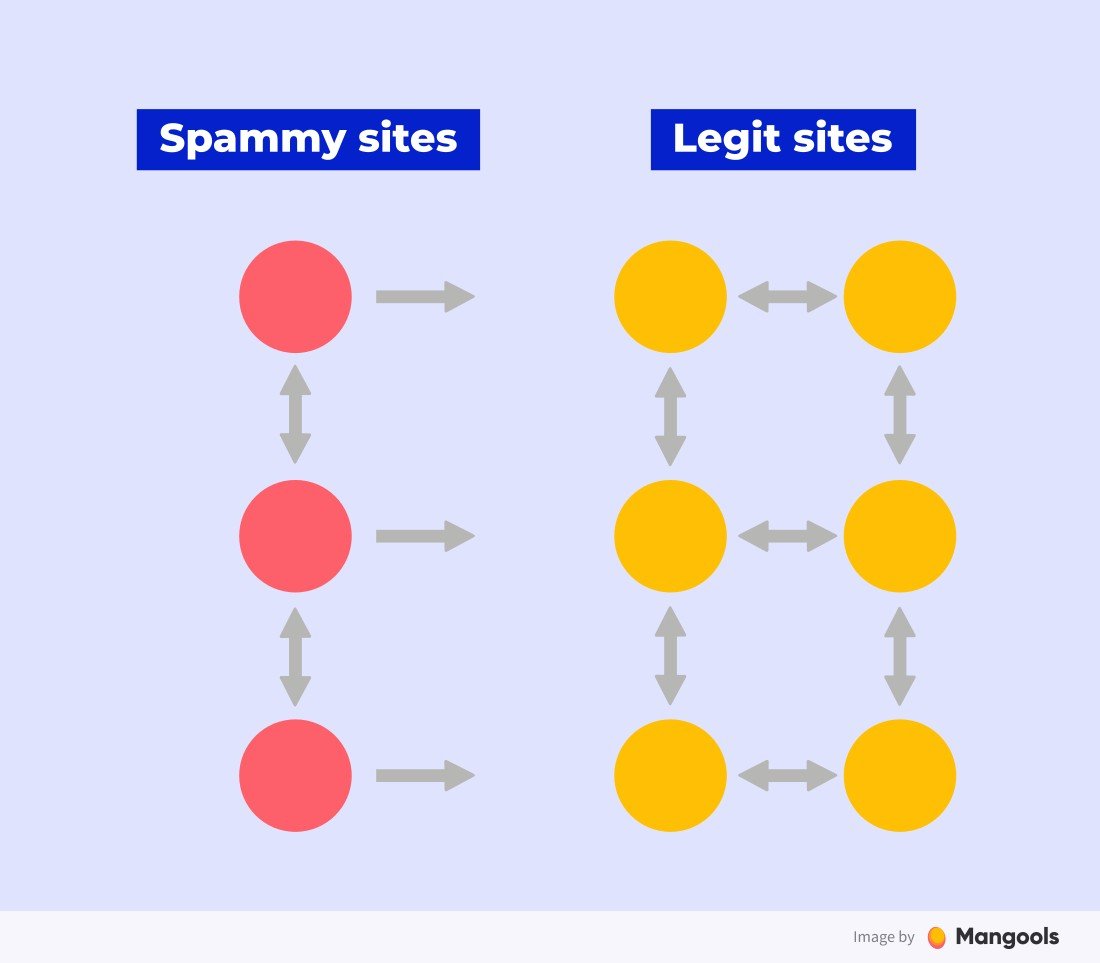
The 4 Types of Forum Backlinks
Not all forum links are equal. Before you invest time in any community, it helps to know exactly what kinds of links forums offer and what each one is worth.
| Type | Where it appears | Typical attribute | SEO and traffic value |
|---|---|---|---|
| Profile link | The “website” field in your forum profile | Usually nofollow | Low direct value, but builds a natural footprint |
| Signature link | Auto-appended block under every post you make | Usually nofollow | Compounds with activity; mainly referral traffic |
| In-post link | Inside the body of a helpful answer | Mixed, often nofollow | Highest value — contextual and surrounded by relevant content |
| Earned mention | Another member links to your content unprompted | Often dofollow | The real prize — a genuine editorial vote |
*Table: The 4 types of forum backlinks compared by placement and SEO value.*
The pattern is clear: the harder a forum link is to get, the more it is worth. Profile links take seconds to create, and search engines know it. In-post links require real effort — reading the thread, writing a genuinely useful answer, and referencing your content only where it truly helps. That effort is exactly what makes them valuable, both for search engines and for the readers who click through.
Earned mentions deserve special attention. When another forum member links to your article or tool because it solved their problem, that is an editorial link in every sense that matters. Those are the links that move the needle — and they only happen if your content is genuinely worth recommending.
How to Build Forum Links the Right Way
Follow this process and you will earn links that stick — along with a reputation that opens doors beyond any single forum.
- Find forums where your audience actually hangs out. Search Google with operators like “your niche” + forum, “your niche” + community, or “your niche” + “discussion board”. Check Reddit communities, Quora spaces, and independent niche boards. Shortlist forums with recent posts, real back-and-forth discussion, and visible moderation. Dead or spam-filled forums are not worth your time.
- Lurk before you post. Spend a week reading threads, learning the community’s norms, and noting which questions come up repeatedly. You will quickly spot exactly where your expertise — and eventually your content — fits. This homework also keeps you from asking questions the forum answered a hundred times already.
- Build a complete, human profile. Use a real name or a consistent brand handle, upload a photo, and fill out your bio. Many forums let you add a website link to your profile — add it once, accurately, and leave it alone. A complete profile signals you are a person, not a spam bot, and it makes every later interaction more credible.
- Answer questions without linking first. Make your first ten to twenty posts pure value: detailed answers, no links, no self-promotion. This builds credibility and, on many forums, unlocks signature privileges. Members start recognizing your name — which makes your later links far more effective when they do appear.
- Add links only where they genuinely help. When a thread asks something your content answers better than a forum post ever could, link to it with a brief explanation of what the reader will find there. One contextual link inside a thorough answer outperforms fifty signature links, and it is far less likely to be removed by moderators.
- Use varied, natural anchor text. Link with descriptive phrases, your brand name, or bare URLs — never the same keyword-stuffed anchor twice. Natural variation is what separates a legitimate participant from a link scheme. If your anchor text looks like it came from a spreadsheet, rewrite it.
- Stay active and track what works. They compound over time: the longer you participate, the more profile views, thread views, and referral clicks you accumulate. Check your analytics for referral traffic from each forum and double down on the communities that send real visitors. A single thriving community membership beats a dozen abandoned accounts.
Related: how to index backlinks
Where to Find Forums Worth Your Time
You do not need a massive list of forums — you need a short list of the *right* ones. These methods surface communities most people miss:
- Google search operators. Try queries like `intitle:forum “your niche”`, `”your niche” + “powered by vBulletin”`, or `”your niche” + “discussion board”` to surface boards that regular searches bury. Swap in your actual topic for “your niche.”
- Reddit and Quora. Subreddits and Quora spaces function like modern forums with massive audiences. Their links are nofollow, but the traffic and visibility can be enormous — and a well-placed answer often gets referenced elsewhere.
- Niche communities and Discord servers. Many industries have moved discussion to specialized platforms. Even where direct links are limited, participation earns relationships and unprompted mentions.
- Forum search engines. Dedicated tools that search across thousands of message boards at once let you find active threads about your exact topic, so you join conversations already in motion.
- Your competitors’ backlink profiles. If a forum links to a competitor, it has already proven link-friendly in your niche. Check whether the community is active and well-moderated — if it is, it belongs on your shortlist too.
Mistakes That Turn Forum Links Into Spam
Dropping links in your first post. Nothing triggers moderators faster. Earn the right to link by contributing first — impatience is the most common reason forum efforts fail.
Copy-pasting the same answer across threads. Duplicate content with your link attached reads as automation, even when a human wrote it. Tailor every answer to the specific question asked.
Using keyword-stuffed anchor text everywhere. If every post links the phrase “best cheap laptops,” both moderators and Google notice the pattern. Vary your anchors the way a real person naturally would.
Reviving dead threads just to place a link. Waking a three-year-old thread with a promotional link is the forum equivalent of cold-calling at dinner. Add to live conversations instead.
Ignoring each forum’s self-promotion rules. Read the rules before you post — many forums allow links only in specific sections or after a post threshold. Breaking them gets posts deleted and accounts banned, and deleted links help no one.

Frequently Asked Questions
Do forum backlinks help SEO in 2026?
Yes, but indirectly. Most forum backlinks are nofollow and do not pass ranking authority directly. Their SEO value comes from targeted referral traffic, a more natural and diverse link profile, and the brand visibility that leads to editorial links elsewhere. Treat forums as a traffic and credibility channel first, and the SEO benefits follow.
Are forum links safe, or can they get me penalized?
Genuine participation is completely safe. Penalties come from spam patterns — mass-posting links, automated profile creation, and keyword-stuffed anchors spread across dozens of forums. The rule is simple: if a human moderator would welcome your post, search engines have no problem with it either.
Should I buy forum backlink packages?
No. Paid packages typically blast low-quality profile links across irrelevant or dead forums, which adds nothing and can look manipulative at scale. The forum links worth having require real participation, and that cannot be outsourced to a blast service.
How many forums should I participate in?
Two or three active, relevant communities beat twenty drive-by memberships. Depth wins: regular contributors get more profile views, more thread visibility, and more clicks than someone who posts once and disappears. Master one community before adding the next.
Conclusion
Forum backlinks work when you stop thinking of forums as link sources and start treating them as communities. Show up, help people, link sparingly and honestly — and the traffic, credibility, and links will follow naturally.
backlinks
If you have spent any time learning SEO, you have probably heard that links are the currency of the web. Every recommendation one site makes to another travels through a humble HTML link, and search engines have been counting those recommendations since the late 1990s.
When a link points from someone else’s website to yours, it becomes one of your backlinks. Search engines treat each one as a vote of confidence, and enough votes from the right places can lift your pages above competitors in the search results.
This guide explains what they are, why they still matter in 2026, the types you will encounter in the wild, and how to earn the kind that actually move rankings — without putting your site at risk.

What Are Backlinks?
A backlink is an incoming hyperlink from one website to a page on another website. If a food blogger links to your recipe page, your page just earned a backlink, and the blogger’s page is called the referring page. The collection of all such links pointing to your site is your backlink profile.
The idea is older than Google itself. Google’s original PageRank algorithm treated the web as a giant network of recommendations: every link counted as a partial endorsement, and pages that collected endorsements from already-trusted pages became trustworthy themselves. The algorithms have grown far more sophisticated since then, with machine learning layered on top, but links remain one of the three ranking signals Google has publicly confirmed as most important.
Think of it this way: anyone can claim their content is the best on a topic, but a backlink is a third party staking a small piece of its own reputation on that claim. That is why search engines trust them — they are much harder to fake at scale than on-page tweaks.
What a Backlink Looks Like in HTML
Under the hood, a standard backlink is just an anchor tag:
<a href="https://yoursite.com/guide">read this guide</a>The clickable words — “read this guide” — are the anchor text, and they tell search engines what the destination page is about. A link the publisher does not want to endorse carries a `rel` attribute, such as `rel=”nofollow”`, which we will cover in detail below.
Why Inbound Links Matter for SEO
Inbound links influence your search performance in four concrete ways.
They are a core ranking signal. Study after study finds a strong correlation between the number of quality referring domains a page has and its position in Google. Links will not rescue thin content, but among pages with solid content, the one with the stronger link profile usually wins.
They help search engines discover your pages. Crawlers travel the web by following links. A new page with no links pointing to it can sit undiscovered for weeks; a single backlink from an indexed page can get it crawled within days.
They send referral traffic. A link on a popular, relevant page does more than pass authority — real humans click it. Some sites earn thousands of monthly visitors from a handful of well-placed editorial links, traffic that never touches a search results page.
They build trust and brand visibility. When respected publications in your niche link to you repeatedly, readers start recognizing your name. That familiarity compounds: journalists cite brands they know, which earns more links, which earns more familiarity.
The Main Types of Backlinks
Not every backlink is created equal. Here are the types you will encounter most often, roughly ordered from most to least valuable.
Editorial Links
These are links a publisher adds on their own because your content genuinely deserves a mention — a journalist citing your study, a blogger recommending your tool. They are the hardest to earn and the most powerful, because the endorsement is freely given.
Guest Post Links
When you write an article for another website in your niche, you typically earn a contextual link back to your site within the author bio or body. Done on real, relevant publications with original content, guest posting remains one of the most reliable white-hat link-building methods.
Niche Edit (Contextual) Links
A niche edit places your link inside an existing article on a relevant site — for example, a resource list that adds your guide as a new entry. Because the linking page is already indexed and often already ranks, these links can pass value quickly.
Directory and Citation Links
Listings in reputable business directories, industry associations, and review platforms. Individually weak for rankings, but they establish legitimacy and help local SEO.
Forum, Comment, and Profile Links
Links from blog comments, forum signatures, and user profiles. Almost always nofollowed and easy to abuse, they contribute little SEO value but can drive targeted referral traffic when placed helpfully in active communities.
Social Media Links
Links from posts on X, LinkedIn, Facebook, and similar platforms. Search engines generally do not count them as ranking signals, yet they amplify content that then earns real editorial links.
Table 1: Common types of backlinks compared by how they are earned, typical SEO value, and risk level.
| Backlink Type | How You Earn It | Typical SEO Value | Risk Level |
|---|---|---|---|
| Editorial | Create cite-worthy content | Very high | None |
| Guest post | Pitch and write for relevant sites | High | Low (if relevant and natural) |
| Niche edit | Outreach to existing articles | High | Low–medium |
| Directory / citation | Submit to reputable directories | Low | Low |
| Forum / comment / profile | Participate in communities | Very low | Medium (if spammed) |
| Social media | Share and promote content | Negligible (indirect) | None |
Dofollow, Nofollow, Sponsored, and UGC Links Explained
Every link carries a relationship attribute that tells search engines how to treat it:
- Dofollow is not a real attribute — it is SEO shorthand for a normal link with no `rel` value. These pass ranking credit (“link equity”) and are the kind everyone wants.
- `rel=”nofollow”` tells search engines not to pass endorsement. Google has treated it as a hint rather than a strict directive since 2019, so nofollow links can still help discovery and occasionally influence rankings.
- `rel=”sponsored”` marks paid placements and affiliate links. Using it keeps you compliant with Google’s spam policies.
- `rel=”ugc”` marks user-generated content such as comments and forum posts.
A natural profile contains a mix of all four. If 100% of your links are dofollow with keyword-rich anchors, that pattern looks manufactured — real popularity is messier than that.
What Makes a Backlink High-Quality?
One outstanding backlink can outweigh hundreds of weak ones. When you evaluate a link opportunity, score it against these seven factors, in order of importance:
- Authority of the linking domain. A link from an established, widely cited publication carries far more weight than one from a brand-new blog nobody references. Check the domain’s own backlink profile and organic traffic, not just third-party scores.
- Topical relevance. A link from a page about your topic tells search engines your content belongs in that conversation. A fitness site linking to a tax guide is noise; the same link to a workout plan is a signal.
- Editorial placement. Links embedded naturally inside the main body content outperform links buried in footers, sidebars, author boxes, or sitewide templates.
- Natural anchor text. Branded anchors, raw URLs, and descriptive phrases look organic. Exact-match commercial anchors on every link scream manipulation.
- Real human traffic. A linking page that actual visitors read passes more value — and sends referral clicks — than an orphan page nobody ever opens.
- Link attributes. Dofollow links pass the most equity, but a nofollow link on a high-traffic relevant page still beats a dofollow link on a dead directory.
- The link neighborhood. If your link sits surrounded by gambling, pharma, and payday-loan links, some of that bad reputation rubs off. Quality pages link to quality pages.
Run every prospect through this checklist before you invest outreach effort. It takes two minutes and saves you from chasing links that look impressive in a spreadsheet but do nothing for rankings.
Related: authority backlinks

How to Earn Backlinks the Right Way
There are no shortcuts that last. The sites that dominate competitive niches earn links with repeatable systems, not tricks. Here is the playbook that actually works:
- Publish genuinely link-worthy content. Original research, industry surveys, free tools, definitive guides, and striking data visualizations earn links on merit. Ask of every piece: “Would a stranger reference this?”
- Guest post on real, relevant websites. Pitch publications your audience already reads, write your best work for them, and let the contextual link follow naturally.
- Run digital PR campaigns. Package your data or expertise into stories journalists want to cover. One campaign that lands coverage on news sites can outperform a year of manual outreach.
- Try broken link building. Find dead links on relevant resource pages, recreate or identify the missing content, and suggest your page as the replacement. You are doing the site owner a favor.
- Reclaim unlinked brand mentions. Set up alerts for your brand name, then ask sites that mention you without linking to add the link. These are the easiest links you will ever earn.
- Build relationships before you need links. Comment thoughtfully, share others’ work, and help people in your niche. Outreach converts dramatically better when your name is already familiar.
Some businesses hire professional link-building services to run this outreach at scale, which can make sense once you have proven content worth linking to — but the fundamentals above are what make any campaign succeed.
Backlinks You Should Avoid
Just as good links lift you, bad ones drag you down. Google’s spam policies are explicit: links intended to manipulate rankings can trigger ranking losses or manual actions. Steer clear of:
- Paid link schemes that sell dofollow links without sponsored attributes, especially “packages” promising hundreds of links for a flat fee.
- Private blog networks (PBNs) — clusters of sites built solely to sell links, often with thin content and suspicious ownership footprints.
- Automated spam blasted to blog comments, forums, and wikis by software.
- Link farms and excessive reciprocal linking (“you link to me, I link to you” at scale).
- Hacked or injected links placed on compromised sites without the owner’s knowledge.
If you inherit a shady profile — from a previous SEO, a hacked site, or a negative SEO attack — audit first, try to get the worst links removed, and use Google’s Disavow tool only as a last resort. Disavowing is a strong signal; use it for clear manipulation, not for links that are merely low quality.
How to Check and Audit Your Backlink Profile
You cannot manage what you do not measure. Start with Google Search Console’s Links report — it is free, and the data comes straight from Google. For deeper analysis, including competitor profiles and lost-link tracking, use a dedicated backlink checker.
Audit on a simple quarterly rhythm. Each time, review your referring-domain trend (steady growth is healthy; sudden spikes deserve investigation), your anchor-text distribution (branded and natural anchors should dominate), and your new-versus-lost links (reclaim valuable lost links with a quick email). Watch for sudden influxes of low-quality or foreign-language links you did not earn — that is the signature of spam or an attack.
Related: how to index backlinks

Related: backlink service
Frequently Asked Questions
How many backlinks do I need to rank?
There is no magic number — it depends entirely on your competition. A local plumber might outrank rivals with twenty solid links, while a national finance keyword can require thousands. Instead of counting links, count quality referring domains and compare your profile against the pages already ranking for your target keyword. Close the quality gap first.
Do backlinks still matter in 2026, with AI search on the rise?
Yes. Google still confirms links as a top ranking signal, and early evidence suggests AI answer engines also lean on well-linked, authoritative sources when choosing what to cite. What has changed is the bar: thin, irrelevant links count for less every year, while genuine editorial endorsements keep their power.
What is the difference between a backlink and a referring domain?
A backlink is a single link; a referring domain is a unique website that links to you. Ten links from one site equal ten backlinks but one referring domain. SEOs pay more attention to referring domains because the first link from a new domain carries the most incremental value — the tenth link from the same site adds comparatively little.
Can backlinks hurt my website?
Yes, if they look manipulative. Large numbers of paid links, PBN links, or spammy automated links can trigger algorithmic suppression or a manual penalty. The fix is to stop the harmful building, remove what you can, and disavow the rest. A natural profile built on real endorsements has nothing to fear.
Conclusion
Backlinks remain the web’s trust mechanism: independent votes that tell search engines your content deserves attention. Earn them by publishing work worth citing, build them with honest outreach, audit them regularly, and avoid anything designed to game the system. Do that consistently, and your link profile becomes a durable competitive advantage no algorithm update can take away.