
Every SEO conversation eventually lands on the same question: do backlinks still matter? The honest answer is that not all backlinks matter equally. A single link from a respected publication can move your rankings more than a hundred links from obscure blogs nobody reads. That single powerful link is what the industry calls one of your authority backlinks — and understanding how they work changes how you approach link building entirely.

What Are Authority Backlinks?
Authority backlinks are links pointing to your website from domains that search engines already trust. Think major news outlets, established industry publications, universities, government agencies, and widely cited blogs in your niche. When one of these sites links to you, it passes along a share of its own credibility — search engines read it as a strong vote of confidence.
The concept traces back to the earliest days of search. Google’s original PageRank model treated the web as a network of recommendations: pages that earned links from already-trusted pages became trustworthy themselves. The algorithms have grown far more sophisticated since then, with machine learning layered on top, but the core principle survives. Links remain one of the ways search engines discover new pages and judge which pages deserve to rank.
What separates authority backlinks from ordinary ones comes down to three things working together. First, the linking domain has genuine standing — real traffic, real citations from other trusted sites, and a history of publishing quality content. Second, the link is topically relevant to your page, placing you in the right conversation. Third, the link sits inside real content, surrounded by meaningful text, rather than buried in a footer or an author bio box on a spammy directory.
Why Authority Backlinks Move Rankings Faster
Search engines do not count links like votes in a simple election. They weigh them. Here is what a strong link from a trusted domain actually does for you.
- It transfers more ranking power. A link from a highly trusted site passes more equity than dozens of weak links combined. One editorial mention on a respected publication routinely outperforms a whole spreadsheet of directory submissions.
- It speeds up discovery and indexing. Trusted sites get crawled constantly. When they link to a new page of yours, search engines find it within hours or days instead of weeks.
- It builds topical authority. Links from sites that cover your subject tell search engines your content belongs in that field. Several such links compound into recognized expertise on the topic.
- It sends qualified referral traffic. Readers of authoritative sites click through. That traffic converts better than random visitors because it arrives pre-qualified by context.
- It attracts secondary links. Journalists, bloggers, and researchers monitor authoritative publications. One strong placement often triggers a cascade of additional citations you never pitched for.
- It is algorithm-resilient. Tactics built on weak links collapse with every update. Links earned from genuine authorities because your content deserved them have survived every major algorithm change for two decades.
Related: what backlinks are and how they work
What Actually Makes a Backlink Authoritative
Authority is not a badge a site wears — it is a combination of observable signals. When you evaluate a potential link, score it against these seven factors.
1. The linking domain’s own backlink profile
Trust is inherited. A site becomes authoritative because other trusted sites link to it. Check whether the domain has a deep, diverse set of referring domains of its own, or whether its profile is thin. Authority flows downhill: links from sites with strong profiles carry more weight.
2. Real organic traffic
A site that ranks and attracts visitors has proven it can satisfy searchers. Use any SEO tool to check estimated organic traffic. A domain with steady traffic is a living publication; one with zero traffic may be abandoned, penalized, or built purely to sell links.
3. Topical relevance to your page
A link from a mid-sized site in your exact niche usually beats a link from a giant site in an unrelated field. Relevance tells search engines your page belongs in a specific conversation. Always ask: would a reader of this page naturally care about my content?
4. Editorial placement inside content
Links inside the body of an article, surrounded by relevant text, carry the most weight. They signal that an author consciously referenced your work. Footer links, sidebar links, and author-bio links are discounted heavily by comparison.
5. Natural anchor text
Descriptive anchor text helps search engines understand your page’s topic, but exact-match commercial anchors repeated at scale look manipulated. The healthiest profiles mix branded, descriptive, and generic anchors.
6. The page’s own quality and freshness
A link from a well-maintained, recently updated article on a cared-for site beats a link from a forgotten page last touched in 2019. Authority decays when content goes stale, so freshness of the linking page matters.
7. Outbound link hygiene of the source
A page that links out to hundreds of unrelated sites dilutes the value each link passes and often signals a link-selling operation. Prefer pages with a small number of thoughtful outbound links to quality destinations.
How Link Types Compare
Not every link format delivers the same authority. This comparison shows where to focus your effort.
| Table 1: How different link types compare for building authority backlinks | |||
|---|---|---|---|
| Link type | Typical authority passed | Difficulty to earn | Risk level |
| Editorial mention in article body | Very high | High — must deserve it | Very low |
| Guest post on reputable publication | High | Medium–High | Low if genuinely editorial |
| Resource page citation (.edu, .gov, reference lists) | High | Medium | Very low |
| Niche edit in existing relevant article | Medium–High | Medium | Low when the fit is natural |
| Industry directory or citation | Low–Medium | Low | Low on credible directories |
| Forum, profile, or comment link | Low (usually nofollow) | Very low | Low, but little ranking value |
| Paid link without proper attribution | Unpredictable | Low (costs money) | High — violates guidelines |
The Truth About Domain Authority and Other Scores
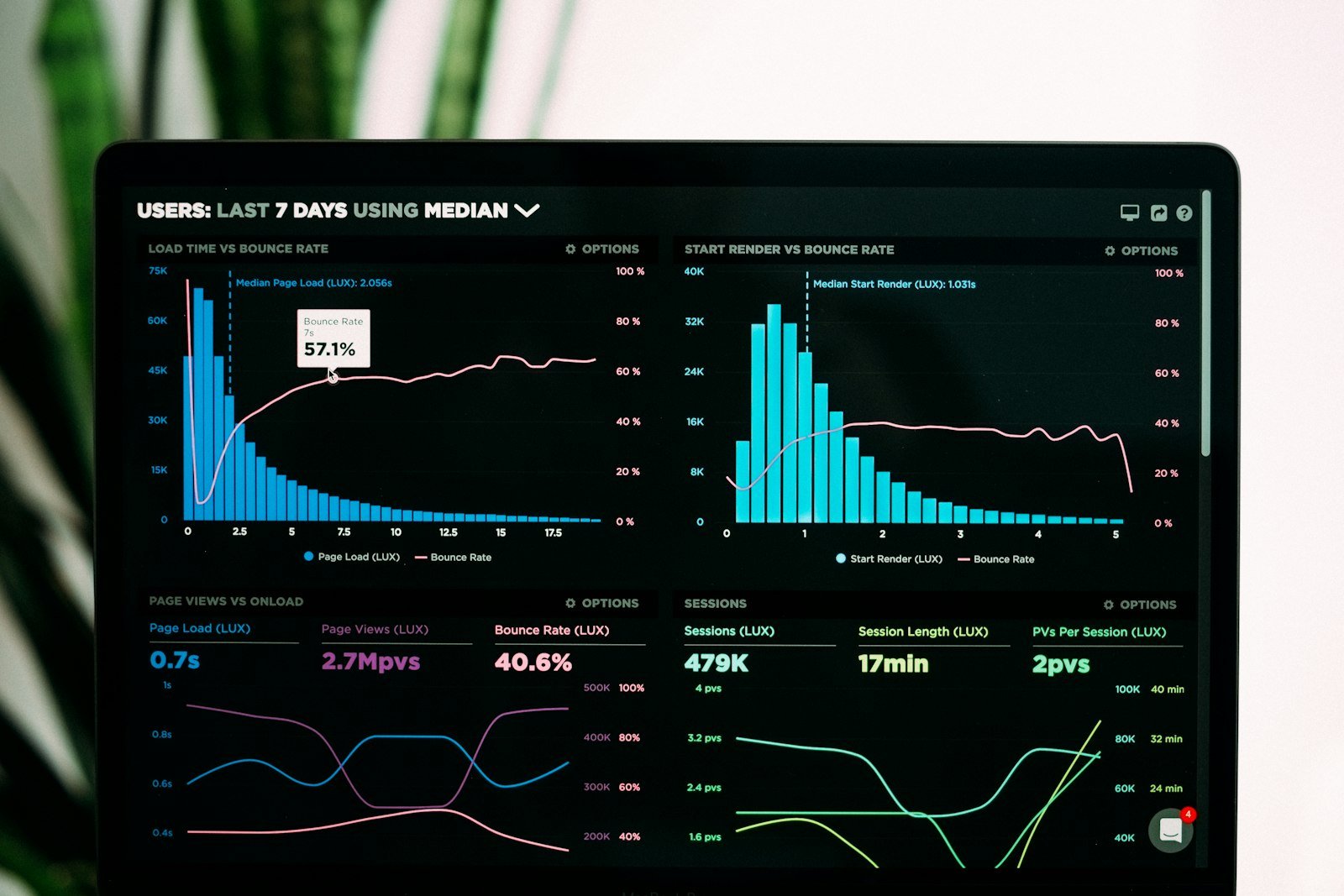
You will see tools assign sites a “Domain Authority,” “Domain Rating,” or “Authority Score.” These numbers look official, but here is what they actually are: third-party estimates built by SEO software companies from their own crawled data. Google does not use them, has never used them, and has said so repeatedly.
That does not make the scores useless — it makes them directional. A site scoring 70 is almost certainly stronger than one scoring 15. The mistake is treating the number as a verdict: chasing a link purely because the score is high, or rejecting a perfect niche-relevant site because its score looks modest.
Use scores the way experienced SEOs do. Compare your site against the specific competitors ranking for your target keywords, not against the whole internet. Track whether the gap between you and them is closing over time. And when a high-scoring site is topically irrelevant to you, prefer the lower-scoring site your audience actually reads. Relevance plus real traffic beats a big number on an unrelated domain almost every time.
Related: contextual backlinks
How to Get Authority Backlinks: A Practical Playbook
Earning links from trusted sites is a system, not a lottery ticket. Work this playbook in order.
- Define your niche and target pages. List the three to five pages on your site most worth promoting, and map each to the exact audience that would link to it. Every outreach effort starts from this map.
- Create something worth citing. Original data, a free tool, a definitive guide, or a genuinely new perspective. Trusted sites link to resources, not sales pages. Your linkable asset is the engine of the whole campaign.
- Find where your competitors get cited. Run competing pages through a backlink checker and list the authoritative domains linking to them. Publications that cited a competitor’s guide will often cite a better one — yours.
- Prospect publications, not just sites. Identify the actual journalists, editors, and bloggers covering your topic. A named person with a beat beats a generic contact form every time.
- Pitch with specificity. Reference their recent work, explain in two sentences why your resource fits their audience, and suggest exactly where it could add value — a statistic for their article, a quote for their roundup, a replacement for their broken link. Personalized pitches get answered; templates get deleted.
- Try broken link building. Find authoritative resource pages linking to dead or outdated content, then offer your page as the replacement. You solve the editor’s problem and earn the link in one move.
- Build relationships before you need them. Comment thoughtfully on target authors’ work, share it, answer journalist queries on platforms that connect experts with reporters. When you eventually pitch, you are a familiar name, not a cold email.
- Track, follow up once, and nurture wins. Log every prospect and outcome. One polite follow-up after two weeks is professional; more is pestering. When a link goes live, thank the author and share the piece — strong placements often lead to repeat opportunities.
Related: professional backlink service
Red Flags: Links That Look Authoritative but Aren’t
Not everything marketed as a “high authority backlink” deserves the name. Watch for these warning signs before you pursue or accept a placement.
- The site sells “authority links” openly. Genuine editorial links cannot be bought off a menu. Sites advertising priced placements are running a link scheme, whatever their metrics say.
- Traffic is zero despite a big score. Third-party scores can be inflated on expired or manipulated domains. No real visitors means no real authority.
- Content is thin, spun, or scraped. An authoritative site publishes original work. Walls of low-quality filler signal a domain built for selling links, not informing readers.
- Hundreds of outbound links per page. Excessive outbound linking dilutes value and marks the page as a link farm in everything but name.
- No real authorship. No named authors, no about page, no contact information — just anonymous content optimized for search. Trust requires a human standing behind the words.
- Irrelevant to your niche. A high-metric general blog that publishes about everything from crypto to kitchenware will pass far less relevant authority than its score suggests.

Frequently Asked Questions
What are authority backlinks in simple terms?
Authority backlinks are links from websites that search engines already trust — established publications, respected industry sites, universities, and widely cited resources. Because the linking site has credibility, some of that credibility transfers to your page, which can lift your rankings more than many links from lesser-known sites.
How many authority backlinks do I need to rank?
There is no fixed number; it depends entirely on your competition. In some niches, a handful of strong links from trusted, relevant sites is enough to outrank pages with hundreds of weak ones. Study the backlink profiles of the pages currently ranking for your target keyword — that gap tells you roughly what “enough” looks like.
Are .edu and .gov backlinks more powerful?
The domain ending itself gets no special bonus — search engines have confirmed this. What makes university and government links valuable is that those institutions tend to be highly trusted, well-cited, and editorially strict. A .edu link from a relevant department page is powerful because of the page’s authority, not its suffix.
Do nofollow authority backlinks help?
Nofollow links pass little direct ranking value, but links from authoritative sites still help in other ways: referral traffic from engaged readers, faster discovery of your pages, and a natural-looking link profile. They can also lead to followed links when other writers discover you through them.
Can authority backlinks hurt my site?
The links themselves do not hurt you — manipulation does. If you buy placements at scale, use exact-match anchors aggressively, or participate in link schemes, you risk algorithmic suppression or a manual penalty. Links you earn because your content genuinely deserved citation carry very little risk.
Conclusion
Authority backlinks remain the highest-leverage asset in off-page SEO because they bundle trust, relevance, and traffic into a single signal. Earn them by creating citable resources, pitching real editors personally, and judging every opportunity on relevance and real traffic — not just a score. Do that consistently, and your rankings compound on a foundation competitors cannot copy overnight.