Somewhere on the internet, people are discussing exactly what your business does — troubleshooting it, comparing options, and recommending solutions to each other. Those conversations happen on forums: niche communities where enthusiasts and professionals gather around shared interests. And inside those threads sits an overlooked SEO opportunity.
Forum backlinks are links to your website earned through genuine participation in these communities — in your profile, your signature, or inside helpful posts. Done right, they drive targeted referral traffic, diversify your link profile, and put your brand in front of people already interested in your niche.
Done wrong, they are spam — and search engines treat them that way. This guide shows the difference: what these links are, whether they still work in 2026, and a step-by-step process for earning them without getting banned or penalized.

What Are Forum Backlinks?
Forum backlinks are hyperlinks pointing to your website that appear on online discussion forums. They can live in three main places: your forum profile (often a “website” field), your signature (the block that appears under every post you make), or inside the body of a post where you reference your content as a resource.
Forums range from massive general communities to tiny niche boards with a few hundred devoted members. The niche ones are usually more valuable: their audiences are focused, their topics align tightly with your content, and a link there reaches people who actually care about the subject. A single thoughtful answer on the right board can outperform a hundred links scattered across irrelevant forums.
Do Forum Links Still Work in 2026?
Yes — but not the way they worked in 2012. The era of blasting profile links across hundreds of dead forums is long over, and most forum links today carry a nofollow attribute, which means they do not pass ranking authority directly. Anyone selling you a package of a thousand spammy forum links is selling you a relic.
That said, they still deliver real value in three ways. First, referral traffic: an active thread can send a steady stream of highly targeted visitors for years — a good answer keeps working long after you post it. Second, link diversity: a natural backlink profile includes community mentions, not just guest posts and directories, and that variety looks healthy to search engines. Third, brand visibility: being a recognized, helpful voice in your niche’s communities builds the kind of authority that earns editorial links elsewhere.
The honest takeaway is to treat them as a traffic and credibility channel first, and a direct SEO channel second. The ranking benefit is mostly indirect but very real — especially when your participation earns you mentions on blogs and news sites whose links *do* pass authority.
Related: contextual backlinks
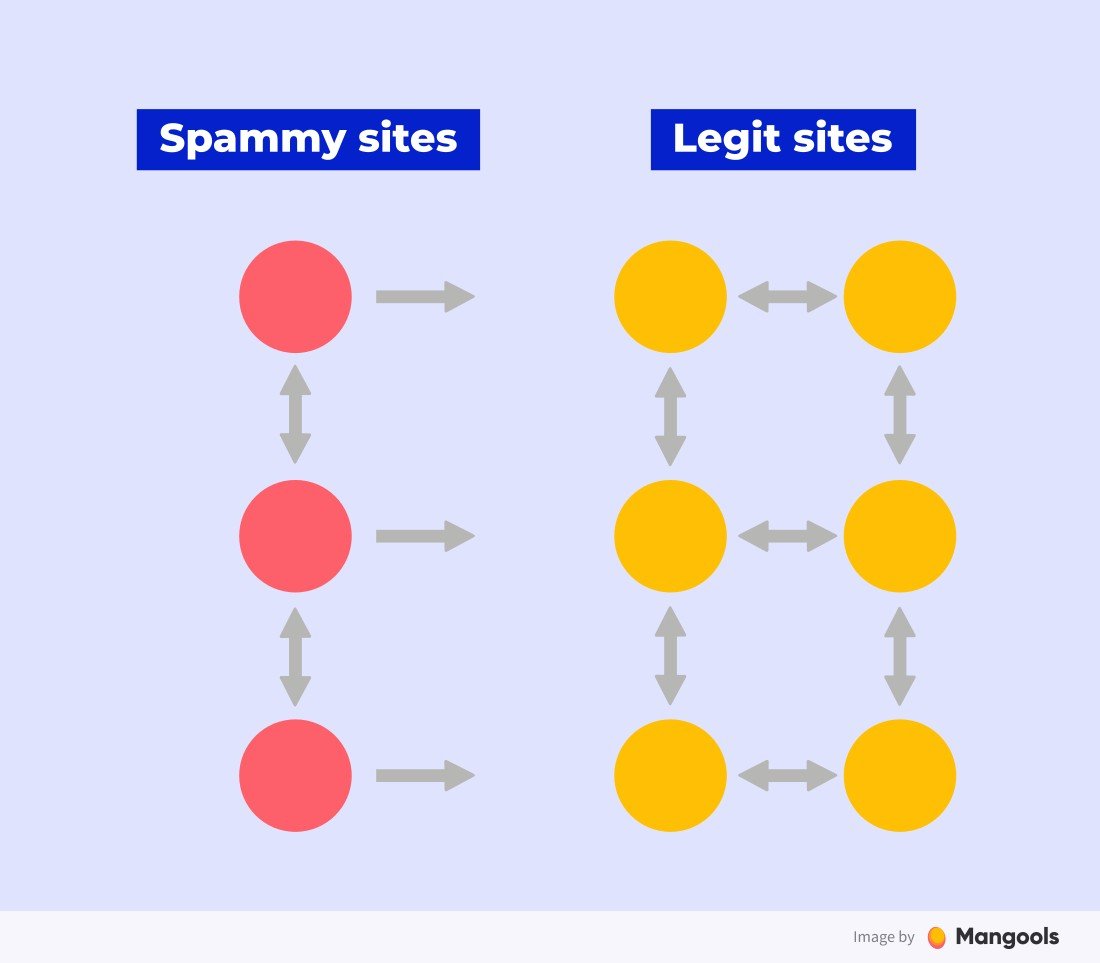
The 4 Types of Forum Backlinks
Not all forum links are equal. Before you invest time in any community, it helps to know exactly what kinds of links forums offer and what each one is worth.
| Type | Where it appears | Typical attribute | SEO and traffic value |
|---|---|---|---|
| Profile link | The “website” field in your forum profile | Usually nofollow | Low direct value, but builds a natural footprint |
| Signature link | Auto-appended block under every post you make | Usually nofollow | Compounds with activity; mainly referral traffic |
| In-post link | Inside the body of a helpful answer | Mixed, often nofollow | Highest value — contextual and surrounded by relevant content |
| Earned mention | Another member links to your content unprompted | Often dofollow | The real prize — a genuine editorial vote |
*Table: The 4 types of forum backlinks compared by placement and SEO value.*
The pattern is clear: the harder a forum link is to get, the more it is worth. Profile links take seconds to create, and search engines know it. In-post links require real effort — reading the thread, writing a genuinely useful answer, and referencing your content only where it truly helps. That effort is exactly what makes them valuable, both for search engines and for the readers who click through.
Earned mentions deserve special attention. When another forum member links to your article or tool because it solved their problem, that is an editorial link in every sense that matters. Those are the links that move the needle — and they only happen if your content is genuinely worth recommending.
How to Build Forum Links the Right Way
Follow this process and you will earn links that stick — along with a reputation that opens doors beyond any single forum.
- Find forums where your audience actually hangs out. Search Google with operators like “your niche” + forum, “your niche” + community, or “your niche” + “discussion board”. Check Reddit communities, Quora spaces, and independent niche boards. Shortlist forums with recent posts, real back-and-forth discussion, and visible moderation. Dead or spam-filled forums are not worth your time.
- Lurk before you post. Spend a week reading threads, learning the community’s norms, and noting which questions come up repeatedly. You will quickly spot exactly where your expertise — and eventually your content — fits. This homework also keeps you from asking questions the forum answered a hundred times already.
- Build a complete, human profile. Use a real name or a consistent brand handle, upload a photo, and fill out your bio. Many forums let you add a website link to your profile — add it once, accurately, and leave it alone. A complete profile signals you are a person, not a spam bot, and it makes every later interaction more credible.
- Answer questions without linking first. Make your first ten to twenty posts pure value: detailed answers, no links, no self-promotion. This builds credibility and, on many forums, unlocks signature privileges. Members start recognizing your name — which makes your later links far more effective when they do appear.
- Add links only where they genuinely help. When a thread asks something your content answers better than a forum post ever could, link to it with a brief explanation of what the reader will find there. One contextual link inside a thorough answer outperforms fifty signature links, and it is far less likely to be removed by moderators.
- Use varied, natural anchor text. Link with descriptive phrases, your brand name, or bare URLs — never the same keyword-stuffed anchor twice. Natural variation is what separates a legitimate participant from a link scheme. If your anchor text looks like it came from a spreadsheet, rewrite it.
- Stay active and track what works. They compound over time: the longer you participate, the more profile views, thread views, and referral clicks you accumulate. Check your analytics for referral traffic from each forum and double down on the communities that send real visitors. A single thriving community membership beats a dozen abandoned accounts.
Related: how to index backlinks
Where to Find Forums Worth Your Time
You do not need a massive list of forums — you need a short list of the *right* ones. These methods surface communities most people miss:
- Google search operators. Try queries like `intitle:forum “your niche”`, `”your niche” + “powered by vBulletin”`, or `”your niche” + “discussion board”` to surface boards that regular searches bury. Swap in your actual topic for “your niche.”
- Reddit and Quora. Subreddits and Quora spaces function like modern forums with massive audiences. Their links are nofollow, but the traffic and visibility can be enormous — and a well-placed answer often gets referenced elsewhere.
- Niche communities and Discord servers. Many industries have moved discussion to specialized platforms. Even where direct links are limited, participation earns relationships and unprompted mentions.
- Forum search engines. Dedicated tools that search across thousands of message boards at once let you find active threads about your exact topic, so you join conversations already in motion.
- Your competitors’ backlink profiles. If a forum links to a competitor, it has already proven link-friendly in your niche. Check whether the community is active and well-moderated — if it is, it belongs on your shortlist too.
Mistakes That Turn Forum Links Into Spam
Dropping links in your first post. Nothing triggers moderators faster. Earn the right to link by contributing first — impatience is the most common reason forum efforts fail.
Copy-pasting the same answer across threads. Duplicate content with your link attached reads as automation, even when a human wrote it. Tailor every answer to the specific question asked.
Using keyword-stuffed anchor text everywhere. If every post links the phrase “best cheap laptops,” both moderators and Google notice the pattern. Vary your anchors the way a real person naturally would.
Reviving dead threads just to place a link. Waking a three-year-old thread with a promotional link is the forum equivalent of cold-calling at dinner. Add to live conversations instead.
Ignoring each forum’s self-promotion rules. Read the rules before you post — many forums allow links only in specific sections or after a post threshold. Breaking them gets posts deleted and accounts banned, and deleted links help no one.

Frequently Asked Questions
Do forum backlinks help SEO in 2026?
Yes, but indirectly. Most forum backlinks are nofollow and do not pass ranking authority directly. Their SEO value comes from targeted referral traffic, a more natural and diverse link profile, and the brand visibility that leads to editorial links elsewhere. Treat forums as a traffic and credibility channel first, and the SEO benefits follow.
Are forum links safe, or can they get me penalized?
Genuine participation is completely safe. Penalties come from spam patterns — mass-posting links, automated profile creation, and keyword-stuffed anchors spread across dozens of forums. The rule is simple: if a human moderator would welcome your post, search engines have no problem with it either.
Should I buy forum backlink packages?
No. Paid packages typically blast low-quality profile links across irrelevant or dead forums, which adds nothing and can look manipulative at scale. The forum links worth having require real participation, and that cannot be outsourced to a blast service.
How many forums should I participate in?
Two or three active, relevant communities beat twenty drive-by memberships. Depth wins: regular contributors get more profile views, more thread visibility, and more clicks than someone who posts once and disappears. Master one community before adding the next.
Conclusion
Forum backlinks work when you stop thinking of forums as link sources and start treating them as communities. Show up, help people, link sparingly and honestly — and the traffic, credibility, and links will follow naturally.